
What Does a Termite Inspection Include? A Step-by-Step Walkthrough
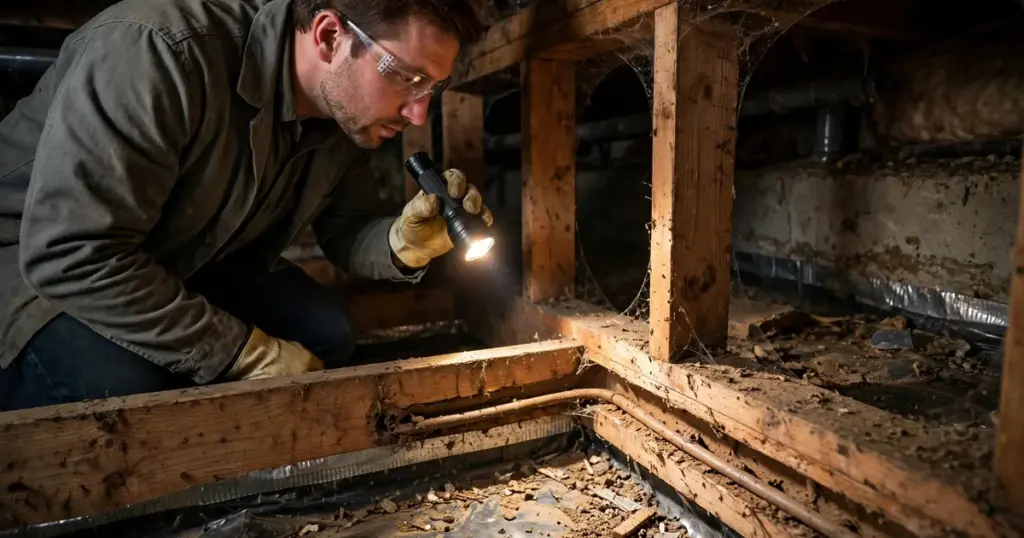
A termite inspection is a systematic visual examination of a home’s accessible areas for evidence of termites and other wood-destroying pests: mud tubes, frass, damaged wood, discarded wings, and moisture conditions that invite them. The inspector works through the exterior, the interior, the attic, and the crawl space in turn, tapping and sounding wood where […]
Early Signs of Termites Most Homeowners Miss
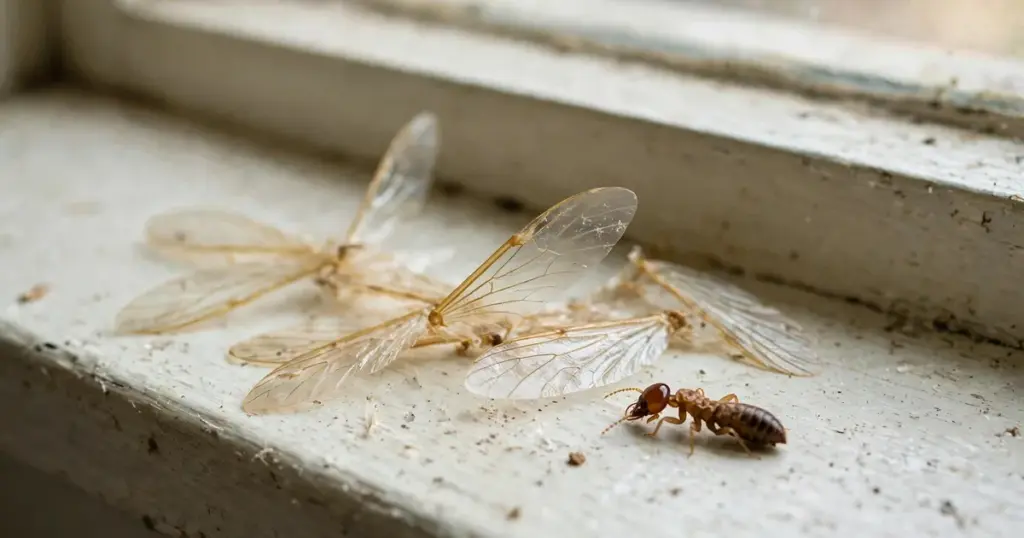
The early signs of termites are easy to miss because they are small and look like ordinary house debris: a few translucent wings on a windowsill, a pinch of pepper-like pellets under furniture, a thin line of dried mud on the foundation, or paint that looks slightly blistered. Termites feed inside wood, out of sight; […]
How to Prepare for a Termite Inspection: Homeowner Checklist
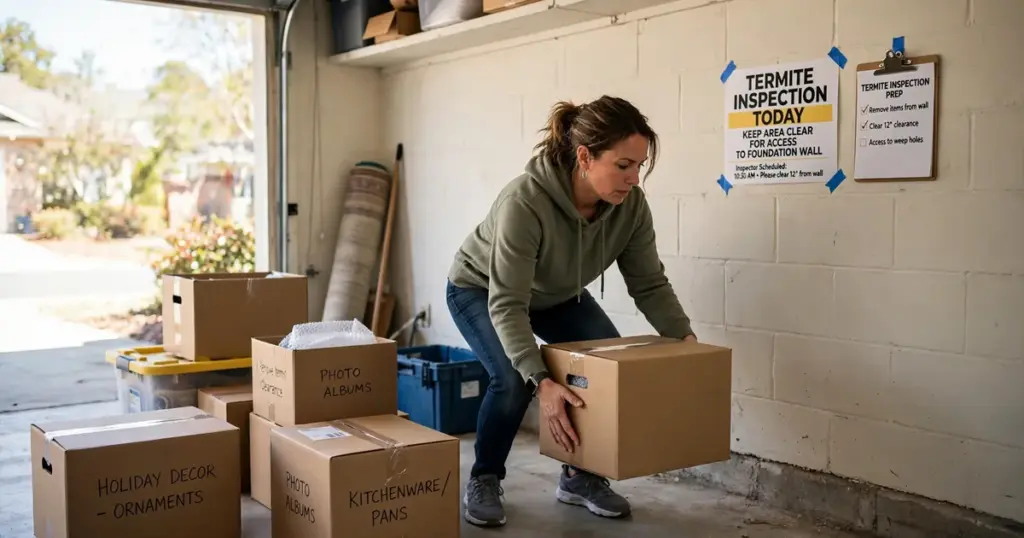
Preparing for a termite inspection mostly means giving the inspector clear access to the places termites hide. You do not need to treat anything, empty cabinets, or move furniture out of the house. The practical work is simple: clear the openings to the attic and crawl space, pull stored items a few feet away from […]
Termite Damage vs Water Damage: How to Spot the Difference
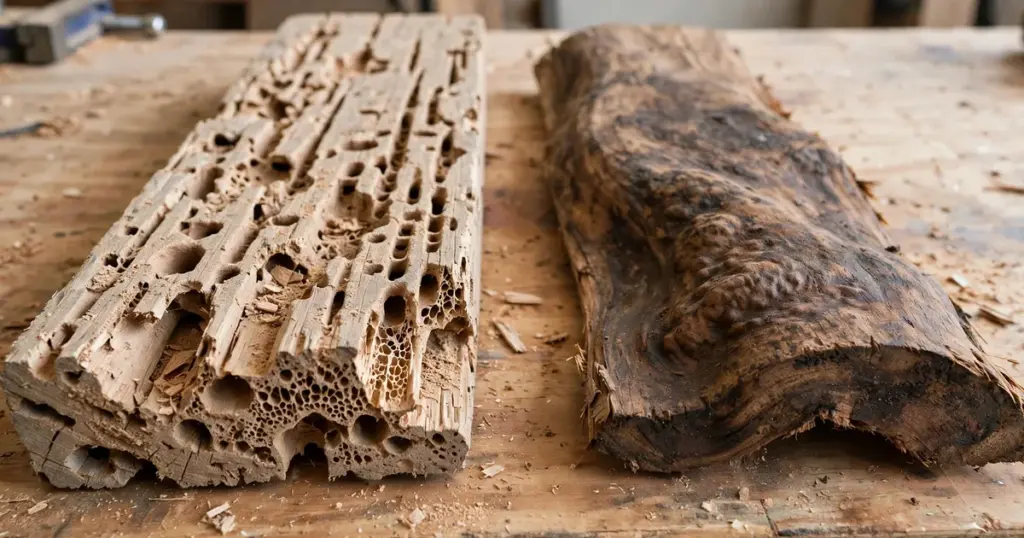
Termite damage and water damage look alike because both weaken wood from within and both can leave blistered paint, sagging surfaces, and wood that sounds hollow — but they leave different fingerprints. Termite damage is patterned: tunnels and galleries that follow the wood grain, mud packed inside subterranean workings, or pellet droppings near drywood feeding, […]
Hollow-Sounding Wood in Your Home: Could Termites Be the Cause?
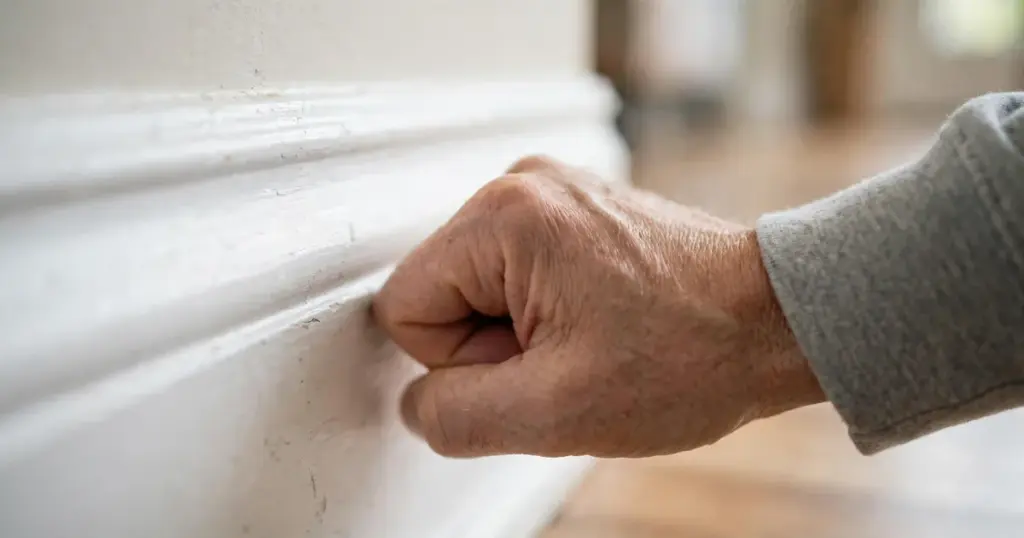
Yes, termites are one of the classic causes of wood that sounds hollow when you tap it — termites eat wood from the inside out, leaving a thin outer shell that sounds papery or empty compared with solid wood. But termites are not the only cause, and a hollow sound by itself is not a […]
Termite Mud Tubes on Your Foundation: What They Mean and What to Do Next
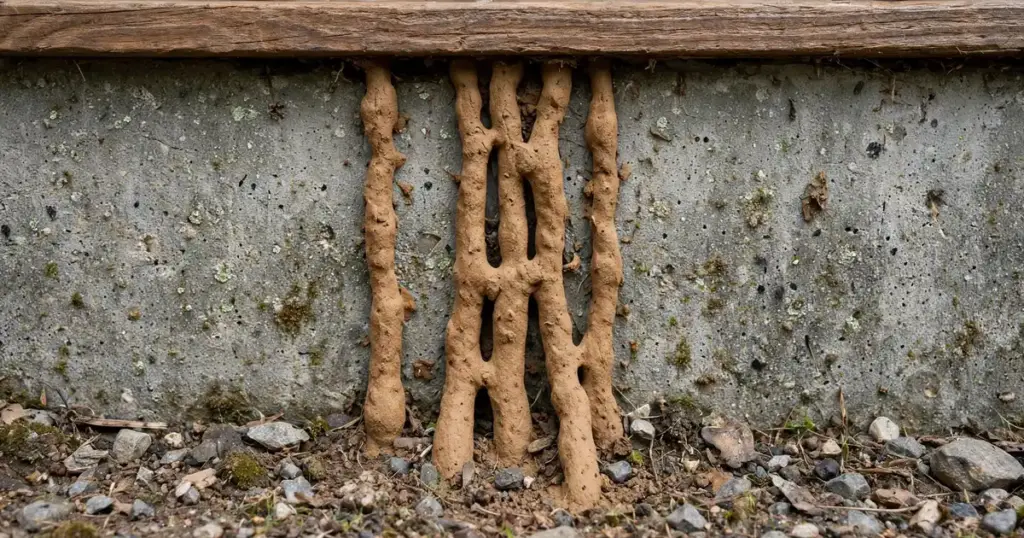
Mud tubes on your foundation — pencil-width tunnels of dried soil running up concrete, piers, or stem walls — are built by subterranean termites as protected highways between their colony in the ground and the wood of your home. Subterranean termites dry out quickly in open air, so they travel inside these earthen tubes, which […]
What Do Termite Droppings Look Like? A Guide to Identifying Frass
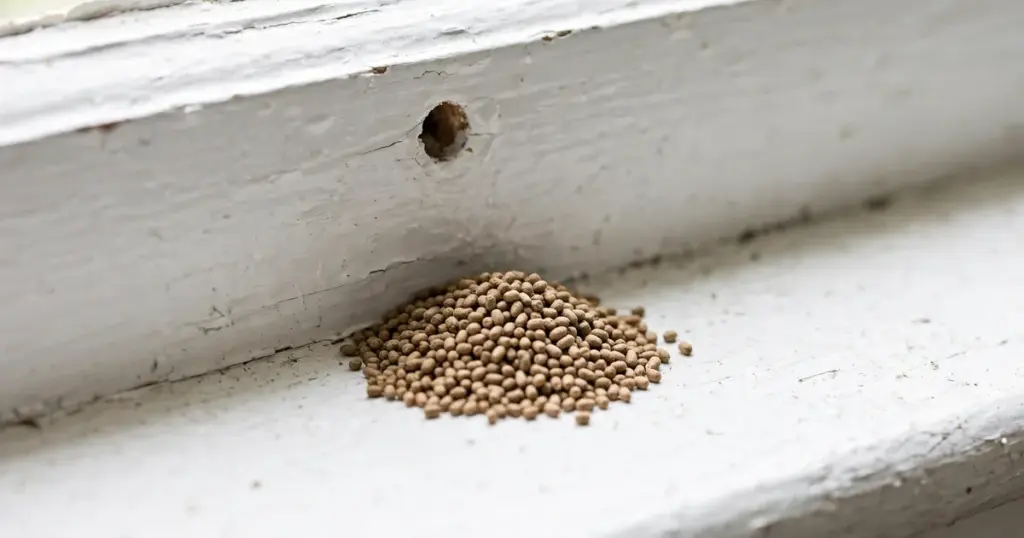
Termite droppings from drywood termites look like tiny, hard, oval pellets — roughly the size of a grain of salt or a small seed — that collect in neat little piles below the wood where the termites are feeding. The pellets, called frass, range in color from light beige to dark brown or nearly black, […]
Termite Swarmers vs Flying Ants: How to Identify Each One
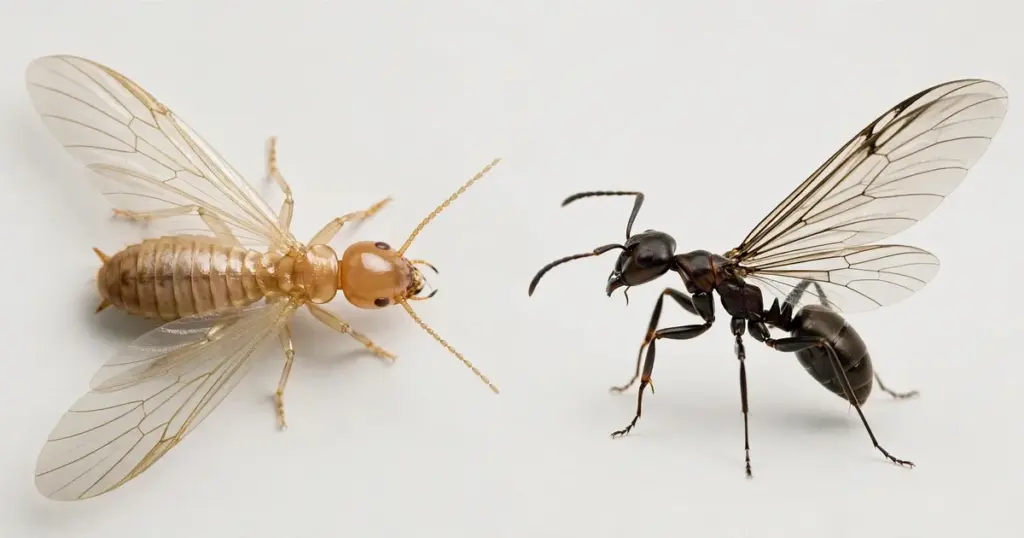
When winged insects pour out near a window or gather under a porch light, the quickest way to separate termite swarmers vs flying ants is to check three features: the antennae, the waist, and the wings. A termite swarmer has straight antennae, a broad waist with no pinched middle, and two pairs of wings that […]
Signs of Termites in Your Home: A Room-by-Room Checklist
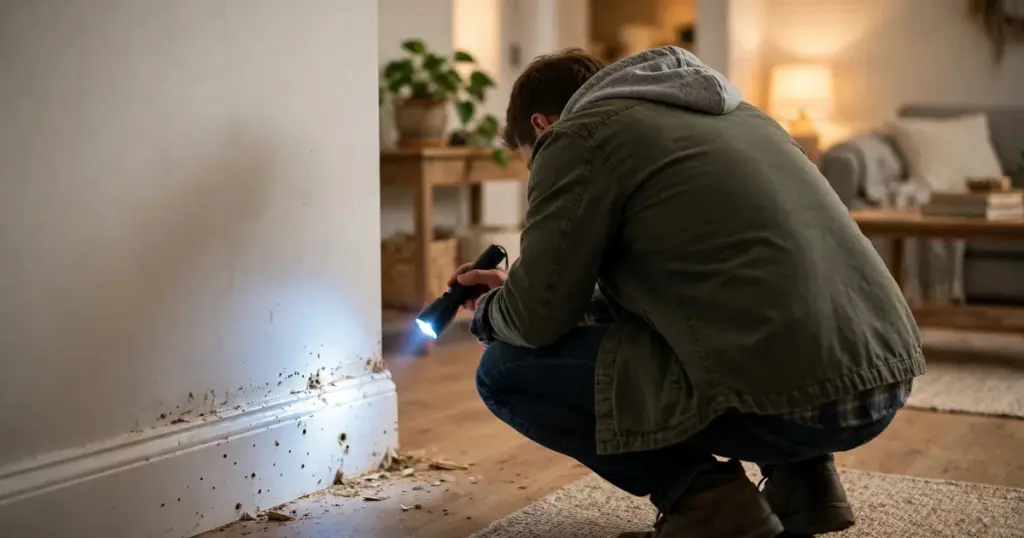
The most reliable signs of termites in your home are mud tubes on the foundation, small piles of pellet-like droppings (frass) under wood, discarded wings near windows, wood that sounds hollow when tapped, and paint that blisters over hidden tunneling. Termites rarely show themselves directly, so finding them means reading these clues room by room […]
Drywood vs Subterranean Termites: How to Tell the Difference
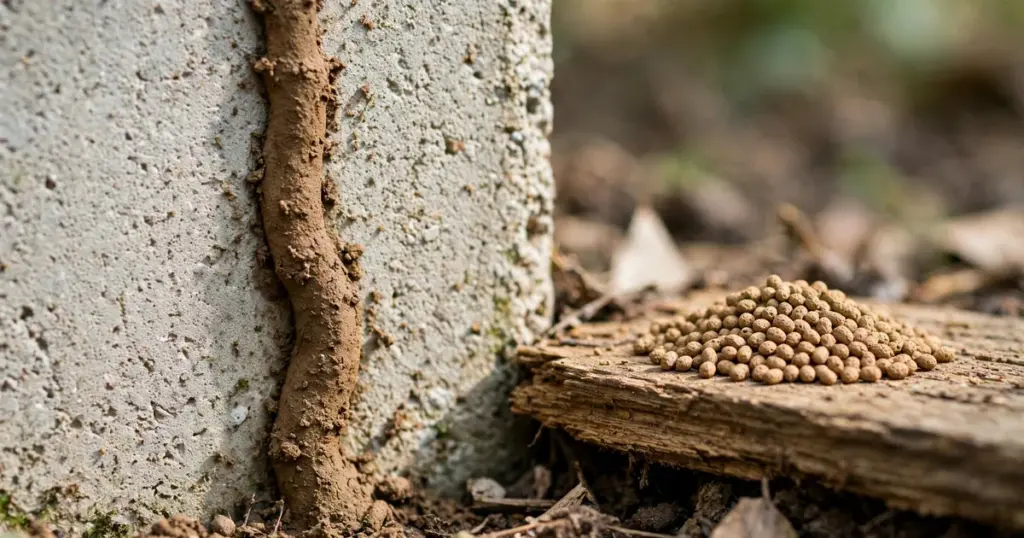
The fastest way to tell drywood vs subterranean termites apart is to look at where they live. Subterranean termites nest in the soil, travel up into a home through mud tubes, and need contact with moisture to survive. Drywood termites live entirely inside the dry wood they eat — furniture, framing, trim, and eaves — […]