
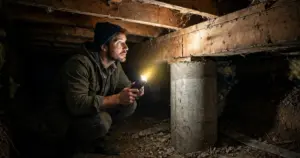
Termites in the Crawl Space: What Inspectors Look For
The crawl space is where subterranean termite activity in a home is most often confirmed. Subterranean termites live in the soil and travel upward into the wood framing of a
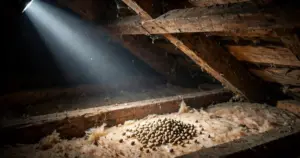
Termites in the Attic: Signs, Causes, and What an Inspection Covers
If termites are in your attic, they are almost certainly drywood termites. Drywoods live their whole lives inside the wood they eat, need no contact with the soil, and typically
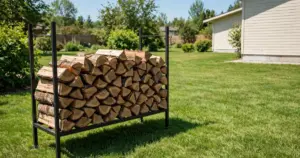
Firewood, Mulch, and Landscaping: Reducing Termite Risk Around Your Home
Firewood, mulch, and landscaping do not create termite colonies out of thin air, but they decide how easily subterranean termites can live in your yard and reach your house. Subterranean
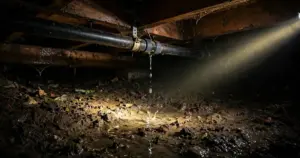
Moisture and Termites: Why Leaks and Poor Drainage Attract Them
Moisture and termites are closely linked because subterranean termites cannot survive long in dry conditions. Their bodies lose water quickly, so colonies live in moist soil, travel through covered mud
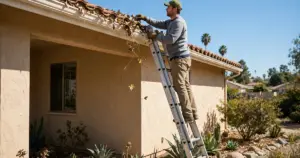
How to Prevent Termites: A Seasonal Prevention Checklist for Homeowners
Learning how to prevent termites starts with a simple idea: termites need moisture, food, and a quiet way to reach wood. Subterranean termites, the kind most often found around Central

Questions to Ask Before Signing a Termite Treatment Agreement
Before you sign a termite treatment agreement, ask what the inspection found, what treatment is being proposed and why, exactly which areas it covers, what preparation you are responsible for,