
Learning how to prevent termites starts with a simple idea: termites need moisture, food, and a quiet way to reach wood. Subterranean termites, the kind most often found around Central Valley homes, live in the soil and travel into a house to feed on wood and other cellulose. Drywood termites live inside the wood itself. A homeowner cannot remove termites from the neighborhood, but you can make your home far less inviting: control moisture, break wood-to-soil contact, store wood away from the house, keep drainage working, and check the structure regularly.
This checklist organizes prevention by season, because the tasks that matter most change across the year in San Joaquin and Stanislaus Counties: swarms in spring, irrigation in summer, firewood in fall, drainage in winter. One honest note up front: prevention reduces risk and helps you catch activity early. It cannot promise termites will never appear, which is why regular inspection is part of the plan rather than an afterthought.
Key Takeaways
- Termite prevention means removing what termites need: moisture near the foundation, wood touching soil, and undisturbed paths into the structure.
- Spring is swarm season, the time to look for wings, mud tubes, and other early signs.
- Summer irrigation is the biggest moisture risk in the Central Valley; sprinklers and drip lines should wet plants, not the foundation.
- Fall is for firewood and storage: wood stacked against the house or on the ground is food and shelter for termites.
- No checklist can promise a termite-free home forever, so seasonal habits work together with periodic professional inspection.
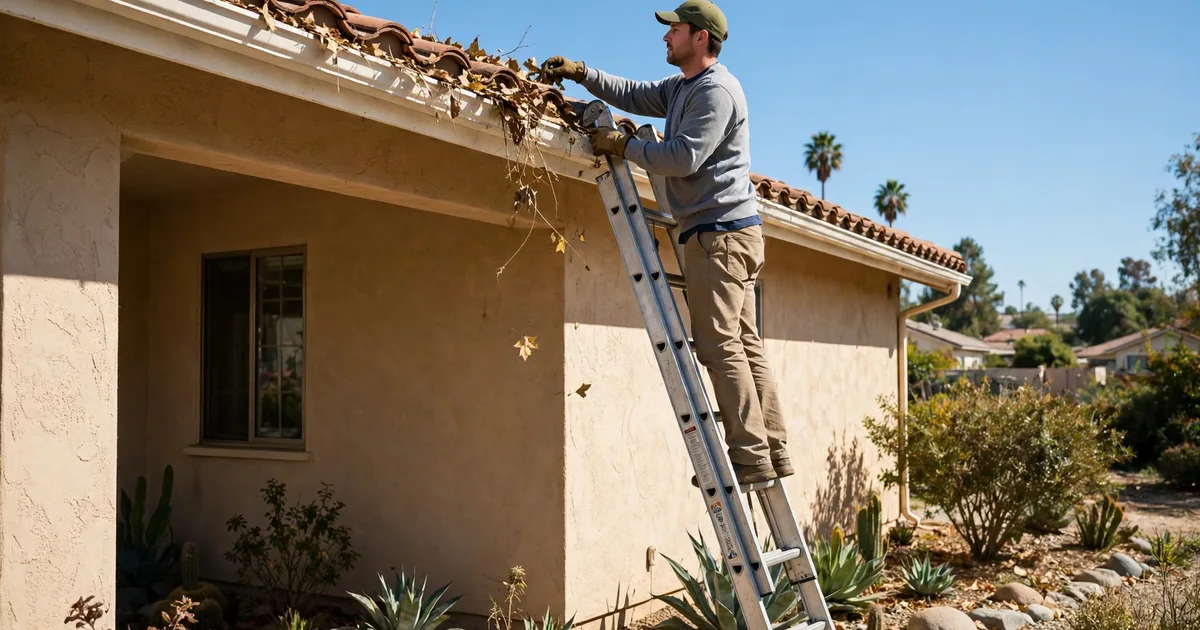
Table of Contents
- Why Prevention Works: What Termites Need
- Spring: Swarm Season Checks
- Summer: Irrigation and Moisture Control
- Fall: Firewood, Storage, and Yard Cleanup
- Winter: Roofs, Gutters, and Drainage
- The Season-by-Season Checklist at a Glance
- Year-Round Habits That Matter Most
- What Prevention Cannot Do
- When to Call a Professional
- Frequently Asked Questions
Why Prevention Works: What Termites Need
Subterranean termites dry out easily, so they stay where the soil is moist and build covered mud tubes when they travel across exposed surfaces. They feed on wood, paper, and other cellulose, and they prefer wood that is already damp and softened. A house offers all of this when soil stays wet against the foundation, when siding, deck posts, or fence boards touch the ground, and when crawl spaces stay humid. Our complete guide to termites in Central Valley homes explains how colonies live and forage in more detail.
Drywood termites are different: they need no soil contact, entering wood directly through exposed unpainted wood, attic vents, or gaps around eaves, and living inside the piece they infest. For drywood prevention: seal and paint exposed wood, keep vents screened, and watch for the pellet-like droppings they push out of their galleries. Both kinds share one weakness: they work slowly and quietly, so a home looked at regularly gives them far less time to work unnoticed.
Spring: Swarm Season Checks
Spring is when colonies send out winged swarmers to start new colonies, and it is the season when activity is easiest to spot. After warm days, walk the foundation looking for discarded wings on windowsills and porches. Check the foundation line for mud tubes, the pencil-thin covered tunnels termites build to travel between soil and wood; our article on termite mud tubes on the foundation shows what they look like and where they appear. Winged termites are often confused with flying ants, and the differences are worth knowing, as our comparison of termite swarmers vs flying ants explains.
Spring is also the time to review the early signs of termites inside the home: hollow-sounding baseboards, blistered paint that looks like water damage, and tiny piles of droppings below wood trim. Clear winter debris from the foundation, trim shrubs back so air and sunlight reach the soil, and check that the soil line has not crept over the foundation edge during winter rains. If you find signs you cannot identify, note where they are rather than disturbing them; an inspector can read far more from evidence left in place.
Summer: Irrigation and Moisture Control
In the Central Valley, summer is dry outside and often wettest right against the house, where the irrigation runs. Sprinkler heads that spray the foundation, drip lines that keep the soil beside the house constantly damp, and planters against exterior walls all create the moist soil subterranean termites favor. Walk the irrigation while it runs at least once early in the season: adjust heads that hit the house, move emitters out to the plants, and let soil near the foundation dry between waterings.
Summer is also the season to check under sinks, around water heaters, and at hose bibs for slow leaks, which can keep framing and subfloor damp for months with no visible sign indoors. In the crawl space, look for standing water, damp soil that never dries, and blocked vents. Keep vents open so humid air can move out. Watch mulch as well. A thick layer of wood mulch piled against the siding holds moisture against the foundation and gives termites covered access; keep mulch shallow near the house and pulled back from the foundation edge.
Fall: Firewood, Storage, and Yard Cleanup
Fall is when firewood comes home, one of the most common ways homeowners accidentally feed and shelter termites next to the structure. Stack firewood on a raised rack, away from the house, rather than on the ground against a wall. Bring in only what you will burn soon, and store the rest off the soil so it dries and stays visible. The same rule applies to lumber and fence boards: anything wooden stored on the ground near the house is a food source with a roof over it.
Use fall to clear the yard of the quieter risks as well. Remove dead tree stumps and buried wood debris where practical, since decaying wood in soil is exactly what foraging colonies look for. Rake leaves and plant debris away from the foundation before winter rains mat them into a moist layer against the house. Check fences where wood meets the ground, and deck posts and stair stringers for soil contact that has developed as soil settled. If you store cardboard, paper, or wood items in the garage or crawl space, get them off the floor and away from exterior walls, where cellulose against damp surfaces is food waiting to be found.
Winter: Roofs, Gutters, and Drainage
Central Valley winters are the wet season, and winter prevention is about where the water goes. Clogged gutters overflow at the eaves, soaking fascia boards, and damp fascia is a common entry point for drywood termites as well as decay. Clean gutters and downspouts before the rains, and check them again mid-winter. Make sure downspouts discharge away from the foundation; extensions and splash blocks are simple fixes that pay off every storm.
Walk the property during or just after a rain and watch where water pools. Soil should slope away from the house so water drains outward instead of collecting against the foundation. Low spots that pond near the structure are worth regrading in the dry months. Winter is also a practical time to look at the attic: check for roof leaks staining the framing, confirm attic vents are screened and intact, and look for droppings or damaged wood around the eaves. Roof repairs belong to a roofing contractor, and drainage corrections may call for a landscaper, but finding the problem is the pest prevention step, because every leak left dripping into wood is an invitation.
The Season-by-Season Checklist at a Glance
| Season | Main Focus | Key Tasks |
|---|---|---|
| Spring | Swarm season and early signs | Look for wings and swarmers, check for mud tubes, review early signs indoors, clear debris, trim vegetation back |
| Summer | Irrigation and moisture | Aim sprinklers and drip lines away from the foundation, check for plumbing leaks, keep crawl space vents open, pull mulch back from siding |
| Fall | Firewood, storage, and cleanup | Stack firewood raised, away from the house; remove stumps and buried wood; clear leaves from the foundation; lift stored wood off floors |
| Winter | Roof, gutters, and drainage | Clean gutters and downspouts, extend downspout discharge away from the house, watch for pooling water, check the attic for leaks |
Year-Round Habits That Matter Most
Some habits do not belong to a season. Keep wood-to-soil contact broken all year: siding, stucco, and wood trim should end above the soil line, with foundation visible so tubes can be seen. Fix leaks when they are found rather than at the next remodel, because moisture is the single condition that helps termites most. Keep the area under and around the home inspectable; stored items packed tight against foundation walls hide exactly the surfaces an inspection needs to see. When you do home projects, avoid burying wood scraps or leaving form boards in the soil near the house, where colonies find them years later.
It also helps to know what a professional inspection covers, so your own checks fill the gaps; our walkthrough of what a termite inspection includes describes the accessible areas an inspector examines. Homeowners who want ongoing detection between inspections can also ask about monitoring; our explanation of termite monitoring systems covers how soil stations are checked on a schedule.
What Prevention Cannot Do
A checklist like this one changes the odds, not the certainty. Termites are a normal part of Central Valley soil ecology, and a determined colony can reach a well-kept house; drywood termites can also arrive on the wing and start in a single piece of wood no ground-level habit would protect. Prevention also cannot fix an infestation already established inside a structure. If activity is found, the next step is an inspection to identify the type and extent, then a treatment plan matched to those findings. Treatments are applied according to the product label and California regulations. The value of prevention is that it shrinks the time between a colony starting and someone noticing — usually the difference between a small problem and a repair project.
When to Call a Professional
Call for a termite inspection when you find mud tubes, discarded wings indoors, droppings that keep reappearing below wood, or wood that sounds hollow or feels soft. Call when you are buying or selling a home and need documented findings, or when parts of the structure, such as a crawl space that has never been entered, have simply never been examined. Pentecost Pest Control is a family-owned company at 3501 Coffee Rd in Modesto, providing termite inspection, monitoring, and treatment in San Joaquin and Stanislaus Counties; our termite control service page describes how those services fit together.
Frequently Asked Questions
Can I prevent termites completely on my own?
No, and any source that promises that is overstating what prevention does. Moisture control, removing wood-to-soil contact, proper firewood storage, and regular checks make a home much less attractive and catch activity early, but termites live throughout local soil and drywood swarmers arrive by air. Prevention plus periodic professional inspection is the realistic combination.
What is the single most important prevention step?
Moisture control. Subterranean termites need moist soil and damp wood, so fixing leaks, keeping irrigation off the foundation, and draining water away from the house removes the condition they depend on most. Breaking wood-to-soil contact comes second, because it removes their covered path into the structure.
Does mulch around the house attract termites?
Mulch itself is not the main issue; the moisture it holds against the foundation is. Deep wood mulch piled against siding keeps soil damp and hidden, which suits termites. Keeping mulch shallow near the house and pulled back from the foundation edge reduces that risk considerably.
How often should I check my home for termites?
A seasonal rhythm works well: a foundation and interior check in spring, irrigation and leaks in summer, storage and cleanup in fall, and drainage in winter, following the checklist above. A professional inspection adds the attic, crawl space, and probing of suspect wood that a homeowner walk-through does not cover.
Should firewood really not touch the house?
Right. Firewood stacked on the ground against a wall gives termites food, moisture, and shelter in one place, and a colony feeding in the stack sits right next to the structure. Storing wood raised on a rack, away from the house, keeps the stack dry, visible, and separate from the home.
Keeping up with the seasons is most of termite prevention. If you found signs working through this checklist, or would like an inspection to establish where your home stands, Call (209) 581-5562 or request a free estimate and we will start with a look at the structure.
By the Pentecost Pest Control Editorial Team
This article is for general educational purposes only. Pest conditions, regulations, and treatment options vary by property and situation. Contact a licensed pest control professional for an inspection.