
A termite monitoring system is a set of stations placed in the soil around a home or building and checked on a recurring schedule, so termite activity in the ground near the structure can be detected before termites are found inside the wood of the house itself. Monitoring does not treat termites. Its job is detection and early warning: each station gives subterranean termites a place to feed where a technician can find them, and each visit produces a record of whether activity was present, where it showed up, and what condition the stations were in.
Subterranean termites live in colonies in the soil and travel into structures to feed, which is why the ground around a Central Valley home tells a useful story. Our complete guide to termites in Central Valley homes covers how these colonies live and spread. Monitoring is one of the termite services Pentecost Pest Control provides for homes and businesses in San Joaquin and Stanislaus Counties, and this article explains what the stations are, what a technician does during a check, and where monitoring fits alongside inspections and treatment.
Key Takeaways
- Monitoring stations are placed in the soil around a structure and checked on a recurring schedule set by the service plan.
- During each check, a technician looks for termite activity in the stations and examines the condition of each station.
- Monitoring is detection and early warning. It is not a treatment, and it does not address an active colony on its own.
- Monitoring fits well after treatment, on properties with past activity, and for owners who want documented ongoing checks.
- If activity appears in a station, the next step is a closer inspection of the structure and a discussion of options.
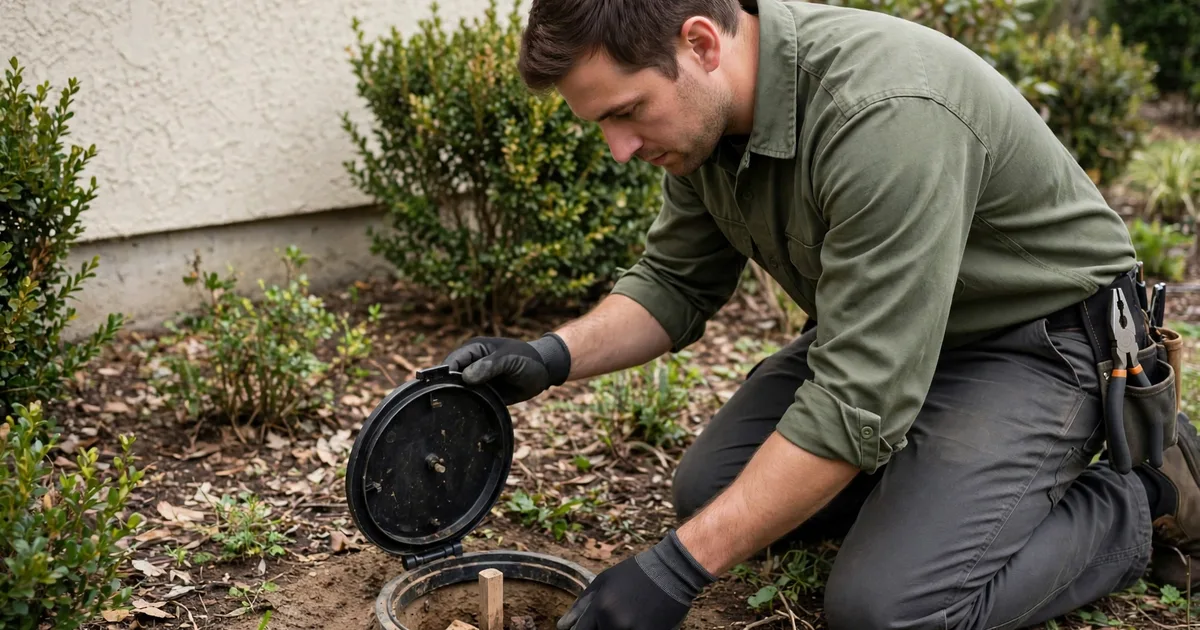
Table of Contents
- What a Termite Monitoring System Is
- How Monitoring Stations Are Placed
- What Happens During a Monitoring Visit
- Monitoring Compared With an Inspection
- Monitoring Compared With Treatment
- Where Monitoring Fits Best
- The Limits of Monitoring
- When to Call a Professional
- Frequently Asked Questions
What a Termite Monitoring System Is
A monitoring system is a network of in-ground stations installed in the soil around the perimeter of a structure. Inside each station is a material that subterranean termites will feed on, typically wood or another cellulose material, held in a housing that a technician can open and inspect. The station works because of how subterranean termites behave: workers forage outward from the colony through the soil, and when they find a food source, they feed on it and recruit others to it. A station that termites have found becomes a window into activity in the soil near the home.
The stations themselves are not a barrier and they are not a treatment. They are observation points. In some programs, a station where activity is confirmed can later play a role in a treatment plan, but that is a separate step decided after an inspection. The value of the system is the pattern it builds over time: a series of dated checks showing whether termites are active near the structure, and where, long before evidence would otherwise appear indoors as mud tubes, damaged wood, or a swarm.
How Monitoring Stations Are Placed
Placement starts with the layout of the property. A technician walks the perimeter and installs stations in the soil at intervals around the foundation, spacing them according to the size and shape of the building and the ground to be covered. A large home or a commercial building with a long foundation line takes more stations than a small house, simply because there is more ground to watch.
Within that perimeter pattern, placement pays attention to the spots subterranean termites are most likely to travel: soil that stays moist near downspouts and irrigation, areas where wood meets the ground, such as fence lines, deck posts, and stumps near the structure, and the sheltered sides of the building where soil is rarely disturbed. Stations are set into the ground so the top sits at about soil level, which keeps them out of the way of mowing and foot traffic while leaving them accessible for checks. The result is a mapped set of stations that can be found and opened visit after visit.
What Happens During a Monitoring Visit
On each visit, the technician works through the stations in order and opens every one. The first thing the technician looks for is activity: live termites feeding in the station, or the shelter tubes and disturbed material that show termites have been there. The second thing is condition. A station can be flooded, damaged by a shovel or a mower, disturbed by other digging, or emptied because termites have consumed the feeding material, and any of those findings is recorded and corrected so the station keeps doing its job. Feeding material that has been consumed or has broken down is replaced.
The visit is also a chance to note changes around the structure that raise termite pressure: new mulch piled against the foundation, a leaking hose bib or sprinkler, firewood stacked on the ground by a wall, or fresh wood-to-soil contact from a home project. Those observations, along with the station-by-station results, go into the service record for the property. If a station shows activity, the technician documents where it is and how strong the activity appears, because that record guides the conversation about next steps. These visits follow a recurring schedule set by the service plan for the property, based on the structure, its history, and what the monitoring is meant to watch for.
Monitoring Compared With an Inspection
Monitoring and an inspection answer different questions. An inspection examines the structure itself: an inspector checks accessible areas for evidence of termites and other wood-destroying pests, as described in our walkthrough of what a termite inspection includes. Monitoring watches the soil around the structure over time. Neither one replaces the other, and the two are often used together: an inspection establishes the current condition of the building, and monitoring keeps watch afterward.
| Termite Monitoring | One-Time Inspection | |
|---|---|---|
| Purpose | Ongoing detection of termite activity in the soil around a structure | A single evaluation of a structure at one point in time |
| What is examined | Stations placed in the ground around the building | Accessible areas of the structure itself, including the attic and crawl space where reachable |
| What it tells you | Whether subterranean termites are active near the home, and how that changes over time | What evidence of termites or other wood-destroying pests is present in the structure on that day |
| How often it happens | On a recurring schedule set by the service plan | Once, unless another inspection is scheduled later |
Monitoring Compared With Treatment
The distinction that matters most is this one: monitoring detects, and treatment addresses. A monitoring station can show that subterranean termites are feeding in the soil near your foundation. It cannot, by itself, tell you whether those termites have also entered the structure, and leaving the station in place does nothing to reduce the colony. When activity is found, the response is based on an inspection of the structure and the extent of the findings: where the termites are, whether wood is involved, and how the home is built. Treatments are applied according to the product label and California regulations.
For the same reason, monitoring continues to have a role after a treatment is complete. A treated property is not monitored because the treatment failed; it is monitored because colonies live in the soil beyond any single structure, and new activity near the home is worth catching early. What a treatment involves and what shapes its cost are covered in our article on termite treatment cost factors.
Where Monitoring Fits Best
Monitoring is a good fit in a few recurring situations. The first is after a treatment, when the goal shifts from addressing a known infestation to watching for renewed activity near the structure. The second is a property with a history: past termite activity, past damage that was repaired, or activity found in the yard, in a stump, or along a fence line. The third is for homeowners and property managers who want documented ongoing checks rather than waiting for visible signs, including owners preparing records ahead of a future sale and landlords watching rental properties between tenants.
Subterranean termites are a standing presence in local soil, so for many Modesto-area homes the practical question is not whether termites exist in the neighborhood but whether they are active near a particular structure. A monitoring program answers that narrower question on a regular basis.
The Limits of Monitoring
Monitoring has clear limits. Stations only detect termites that find and feed in them. A quiet set of stations is encouraging evidence, but it is not proof that no termites are active anywhere on the property, and it says nothing about areas the stations do not cover. Monitoring in the soil also does not detect drywood termites, which live entirely inside wood above ground; drywood activity is found through inspection, by signs such as the pellet droppings a colony pushes out of its galleries.
Monitoring also does not treat. A station full of termites is information, not a result, and the information only helps if it leads to an inspection and a decision. Finally, the system depends on the stations staying intact and on the checks actually happening; a damaged or skipped station is a gap in the record. Those limits are why monitoring works best as one part of a termite plan that starts with an inspection, rather than as a stand-alone substitute for one.
When to Call a Professional
Call for an inspection first if you have found mud tubes on the foundation, pellet droppings under wood, discarded wings indoors, or wood that sounds hollow when tapped. An inspection establishes what is happening in the structure itself, and it is the right starting point whether monitoring follows or not. It also makes sense to call if your home has been treated before and you want ongoing monitoring in place, if termites have been found elsewhere on your property, or if you are buying a home and want a documented picture of activity around it. Pentecost Pest Control is a family-owned company at 3501 Coffee Rd in Modesto, and our termite control service page outlines the inspection, monitoring, and treatment services we provide in San Joaquin and Stanislaus Counties.
Frequently Asked Questions
How often are monitoring stations checked?
Stations are checked on a recurring schedule set by the service plan for the property. The right interval depends on the structure, its history of activity, and what the monitoring is watching for, so it is set by the company providing the service rather than by a single rule that fits every home. What matters is that the checks happen consistently and each one is recorded.
Does a monitoring system keep termites out of my house?
No. Monitoring is a detection tool, not a barrier and not a treatment. It tells you whether subterranean termites are active in the soil near your home so activity can be addressed early. Keeping termites out also depends on conditions around the structure, such as moisture, wood-to-soil contact, and the condition of the wood itself, which an inspection evaluates.
What happens if termites are found in a station?
The technician documents the finding, including which station showed activity and how much. The next step is an inspection of the structure to determine whether termites are feeding only in the soil or have reached the wood of the home. From those findings, the options for treatment are explained, and any treatment decision is based on the type of termite, the extent of activity, and the construction of the home.
Can monitoring stations detect drywood termites?
No. Soil stations watch for subterranean termites, which travel through the ground. Drywood termites live inside the wood they eat and never need to enter the soil, so they are found by inspecting the structure and its wood, looking for signs such as frass piles and damaged trim or framing.
Is monitoring worth it if I have never had termites?
It depends on the property and on how much you value early, documented information. Homes near past activity, homes with a lot of wood-to-soil contact, and owners who plan to sell in the future often find the ongoing record useful. A one-time inspection is the usual first step, since it establishes the current condition of the structure before any monitoring plan is set.
Ready to find out what is happening in the soil around your home? Call (209) 581-5562 or request a free estimate to schedule an inspection and ask how monitoring would fit your property.
By the Pentecost Pest Control Editorial Team
This article is for general educational purposes only. Pest conditions, regulations, and treatment options vary by property and situation. Contact a licensed pest control professional for an inspection.