
Termites in the Crawl Space: What Inspectors Look For
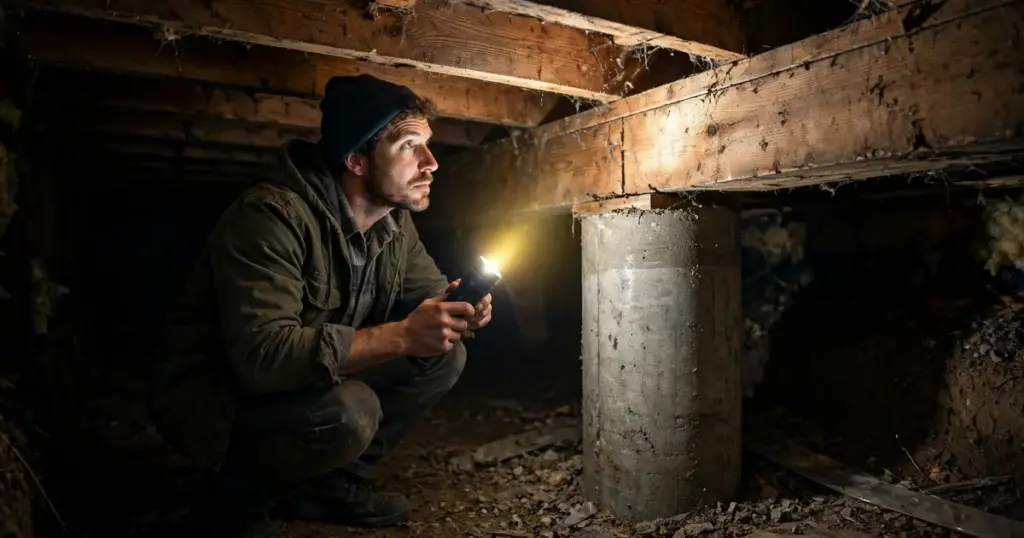
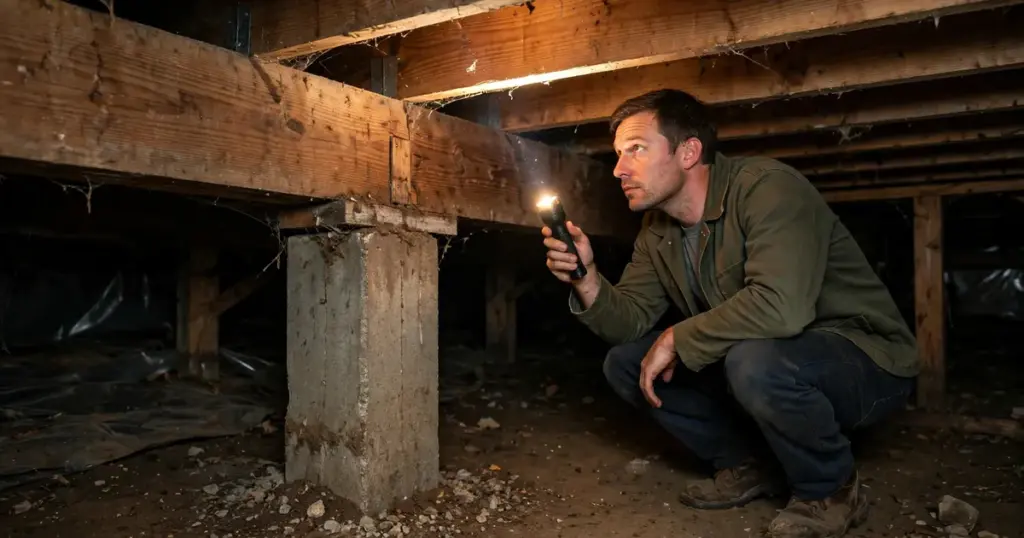
The crawl space is where subterranean termite activity in a home is most often confirmed. Subterranean termites live in the soil and travel upward into the wood framing of a house, and the crawl space is the one area where that journey is visible. Foundation piers, stem walls, sill plates, and floor joists are all […]
Termites in the Attic: Signs, Causes, and What an Inspection Covers
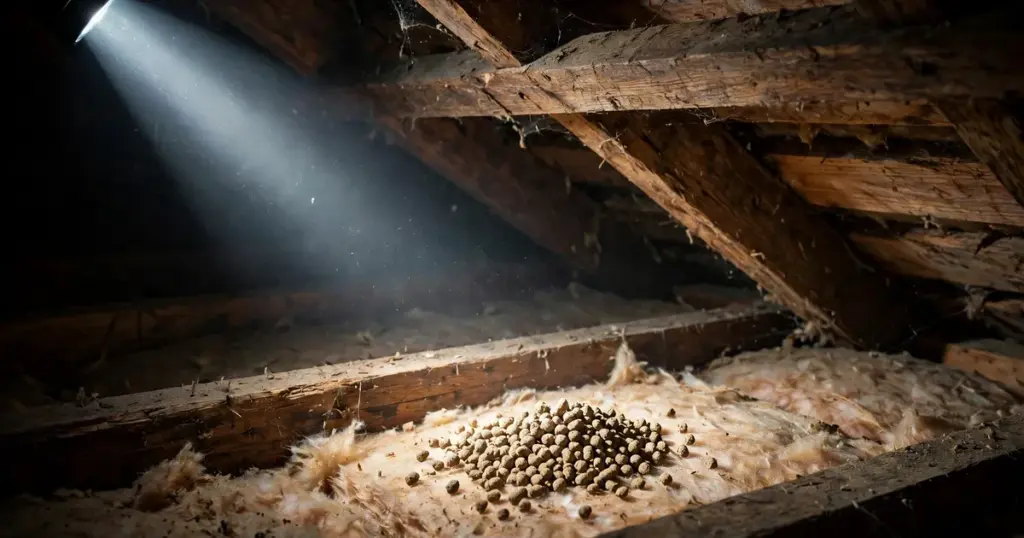
If termites are in your attic, they are almost certainly drywood termites. Drywoods live their whole lives inside the wood they eat, need no contact with the soil, and typically start colonies in attic framing, rafters, and eaves after winged swarmers slip in through vents, gaps at the roofline, and openings around the eaves. Subterranean […]
Firewood, Mulch, and Landscaping: Reducing Termite Risk Around Your Home
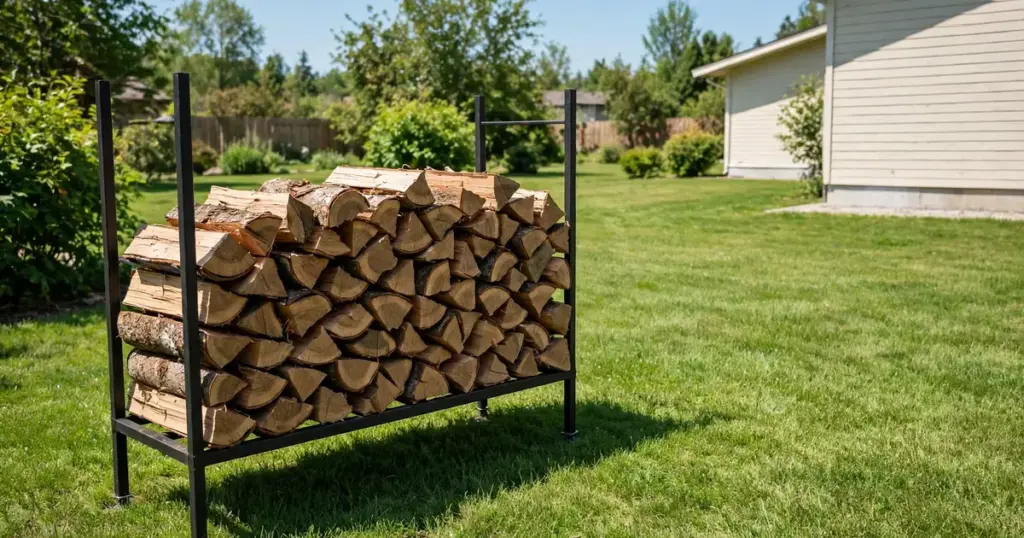
Firewood, mulch, and landscaping do not create termite colonies out of thin air, but they decide how easily subterranean termites can live in your yard and reach your house. Subterranean termites live in the soil, forage outward for wood and other cellulose, and need moisture and shelter as they travel. A woodpile resting on the […]
Moisture and Termites: Why Leaks and Poor Drainage Attract Them
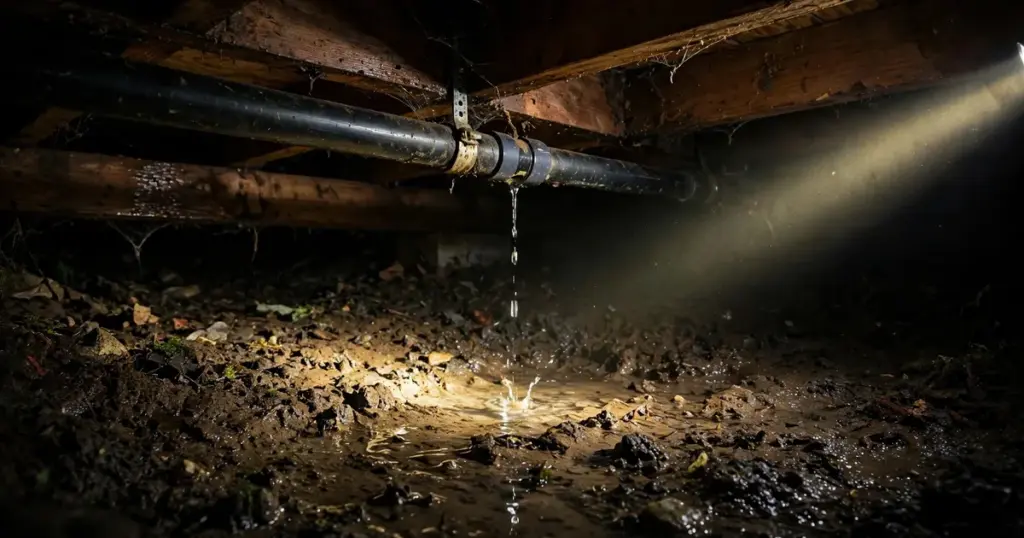
Moisture and termites are closely linked because subterranean termites cannot survive long in dry conditions. Their bodies lose water quickly, so colonies live in moist soil, travel through covered mud tubes that hold humidity, and favor wood that is already damp. A leak under a house, sprinklers wetting the foundation, or rainwater pooling against the […]
How to Prevent Termites: A Seasonal Prevention Checklist for Homeowners
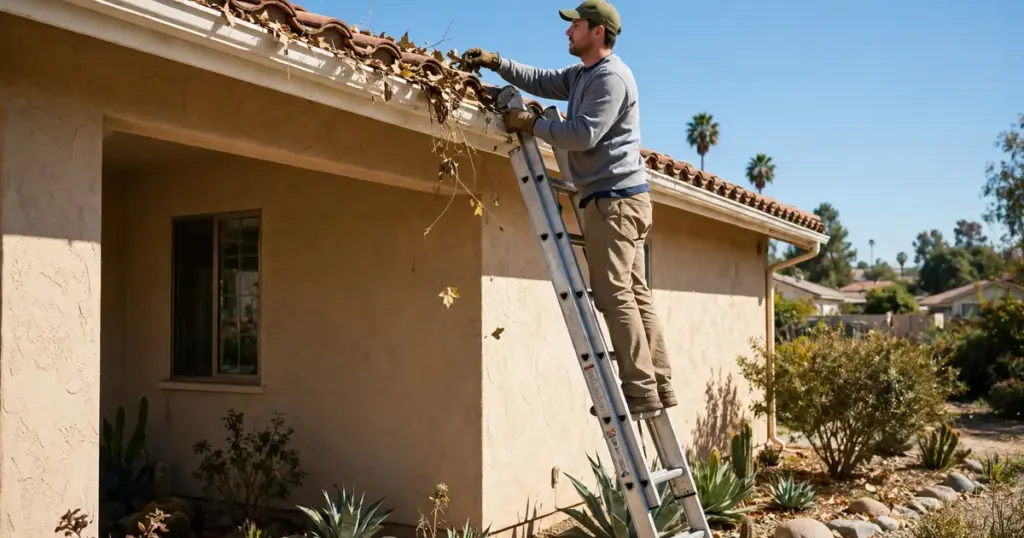
Learning how to prevent termites starts with a simple idea: termites need moisture, food, and a quiet way to reach wood. Subterranean termites, the kind most often found around Central Valley homes, live in the soil and travel into a house to feed on wood and other cellulose. Drywood termites live inside the wood itself. […]
Questions to Ask Before Signing a Termite Treatment Agreement

Before you sign a termite treatment agreement, ask what the inspection found, what treatment is being proposed and why, exactly which areas it covers, what preparation you are responsible for, what follow-up is included, what happens if activity returns, whether repairs are part of the deal or a separate contractor’s scope, and how the agreement […]
Termite Warranties and Re-Inspection Explained in Plain Language
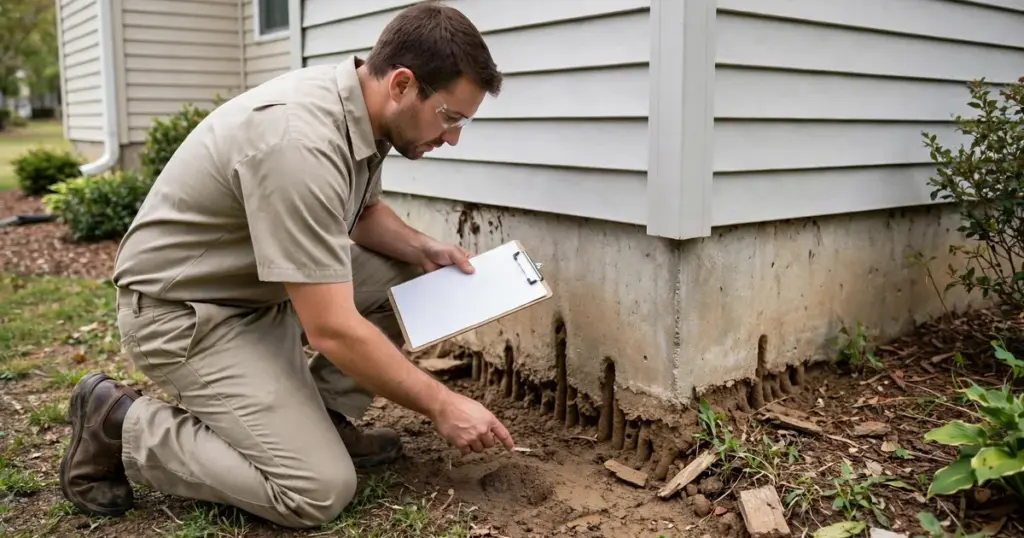
A termite warranty is a written agreement between a homeowner and a pest control company that spells out what the company will do if termite activity shows up again during a stated period after treatment. It is not a promise that termites will never return. It is a service commitment with defined terms: what is […]
How Termite Damage Is Assessed: Inspection Findings and Repair Referrals
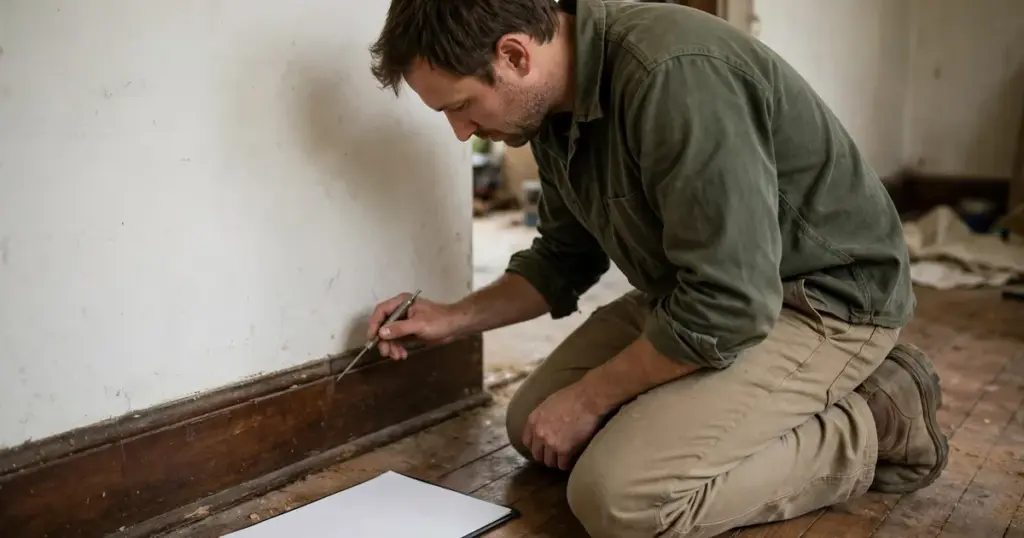
Termite damage is assessed by reading evidence, not by tearing into wood. An inspector examines the surfaces and exposed framing of the home for signs of feeding — mud tubes, frass, hollow-sounding wood, damaged members — then judges what the evidence supports: whether the damage appears active or old, which pieces of wood are affected, […]
How Long Does a Termite Inspection Take? What to Expect on the Day
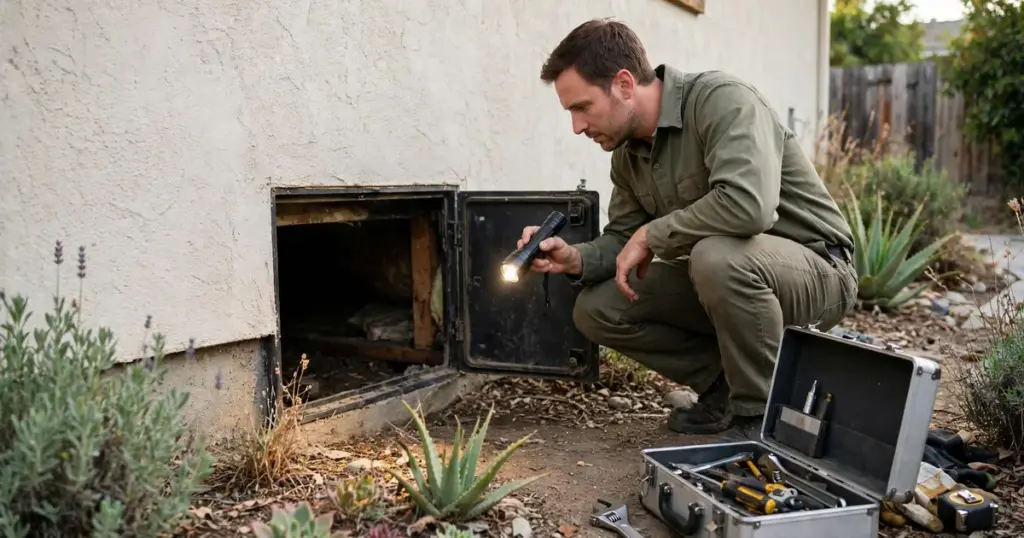
A termite inspection does not run on a fixed clock. How long does a termite inspection take? The honest answer is that the visit lasts as long as the home requires: a compact home with open access and nothing to document is a relatively short appointment, while a large home with a full crawl space, […]
Termite Inspection Cost Factors: What Influences the Fee
There is no single flat figure for a termite inspection, because the fee follows the job. Termite inspection cost factors include the size and construction of the home, whether it has a crawl space and attic that an inspector can enter, whether the inspection covers the whole structure or one limited area, whether a formal […]