
If your California termite report sorts its findings into Section 1 and Section 2, the split is about timing. Section 1 findings describe conditions where the inspector found evidence of an active infestation by wood-destroying pests or organisms, or damage that an infestation has already caused. Section 2 findings describe conditions that are not an infestation today but are likely to lead to infestation or damage if they are not corrected, such as moisture problems, plumbing leaks, or wood resting directly against the soil. Reading section 1 vs section 2 termite findings this way turns a confusing report into two clearer lists: what is happening now, and what could happen next if nothing changes.
These reports come up most often during a home purchase or sale, which is why the wording matters to people who did not order the inspection in the first place. This article explains where the two sections come from, what kinds of findings land in each one, what a recommendation for further inspection means, and how buyers and sellers commonly use the distinction. It is general education only, not legal advice about any specific transaction.
Key Takeaways
- Section 1 means evidence of an active infestation, or damage already caused by one, was found.
- Section 2 means a condition exists that is likely to lead to infestation or damage if it is not corrected.
- A single property can have findings in both sections at the same time.
- A recommendation for further inspection is not a finding; it marks an area the inspector could not fully evaluate.
- The report’s diagram and location notes matter as much as the section labels, because findings are specific to particular spots in the home.
- Where Section 1 and Section 2 Come From
- What Counts as a Section 1 Finding
- What Counts as a Section 2 Finding
- Section 1 vs Section 2 at a Glance
- What a Further Inspection Recommendation Means
- How Buyers and Sellers Read These Sections
- What to Do After You Get a Report
- When to Call a Professional
- Frequently Asked Questions
Where Section 1 and Section 2 Come From
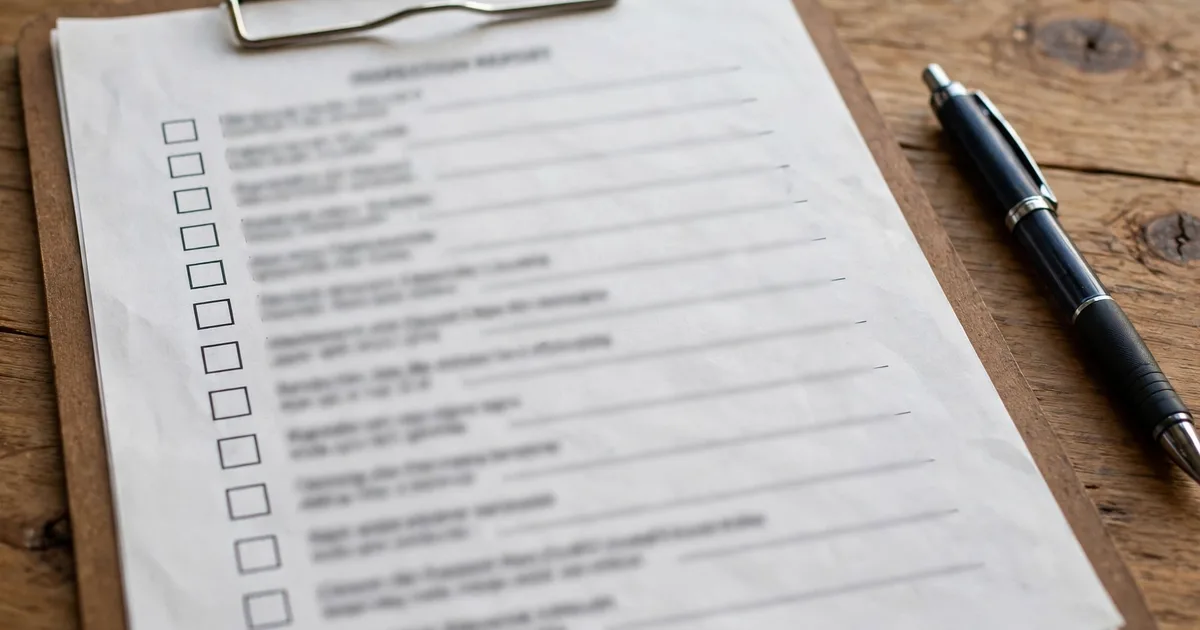
In California, a termite inspection results in a written wood-destroying pest and organism inspection report, often shortened to a WDO report. The report covers the accessible areas of a structure and lists what the inspector found, along with recommendations. Findings and recommendations are organized into the two sections described above, and the report also includes a diagram showing where each item was found.
Our termite inspection guide for California homeowners walks through how an inspection itself works, and our complete guide to termites in Central Valley homes covers the pests and conditions these reports are checking for. The section labels are simply the report’s way of separating active problems from the conditions that invite them.
What Counts as a Section 1 Finding
A Section 1 finding is based on evidence the inspector actually found: an infestation that is active now, or damage that wood-destroying pests or organisms have already done. Common examples include:
- Live subterranean or drywood termites found in or on the structure
- Drywood termite droppings, called frass, indicating a colony feeding in the wood — the sign described in our guide to what termite droppings look like
- Wood members damaged by termite feeding, such as sill plates, studs, or trim
- Damage from wood-decay fungi, where moisture and organisms have broken wood down
- Evidence of an active wood-boring beetle infestation
Because Section 1 items describe a present problem, the report typically pairs them with recommendations to treat the infestation and repair or replace damaged wood. The location notes matter here: a Section 1 finding names a specific area, not the entire house.
What Counts as a Section 2 Finding
A Section 2 finding is a condition the inspector judged likely to lead to infestation or damage if it is left uncorrected. Nothing may be eating the wood yet, but the setup is favorable for pests or decay. Common examples include:
- Earth-to-wood contact, where a post, step, siding, or other wood touches the soil
- Excessive moisture in wood, in a crawl space, or against the structure
- Plumbing leaks that keep surrounding wood damp
- Faulty grade, where soil or landscaping sits too high against the home and holds moisture near wood
- Inadequate ventilation in the subarea, which lets moisture build up under the home
- Cellulose debris, such as stored wood scraps under the house, that gives pests food and shelter
Section 2 recommendations usually involve correcting the condition: fixing the leak, regrading soil, removing debris, improving ventilation, or separating wood from soil contact. Some corrections are homeowner or contractor work rather than pest control work, and the report’s recommendations say what is advised for each item.
Section 1 vs Section 2 at a Glance
| Feature | Section 1 | Section 2 |
|---|---|---|
| Basic meaning | Active infestation or resulting damage is present | A condition exists that is likely to lead to infestation or damage |
| Based on | Evidence found during the inspection: live insects, frass, damaged wood, decay | Conditions observed during the inspection: moisture, leaks, soil contact, grade or ventilation problems |
| Example | Termite-damaged sill plate in the crawl space | Wood siding in direct contact with the ground |
| Typical recommendation | Treat the infestation; repair or replace damaged wood | Correct the condition before it causes a problem |
| Timing implied | Already happening | Could happen if not corrected |
What a Further Inspection Recommendation Means
Some reports include a recommendation for further inspection of a specific area. This is neither a Section 1 nor a Section 2 finding. It means the inspector could not see enough to make a call — flooring, wall coverings, insulation, low clearance, or stored items may have blocked the view — or that surface evidence suggested conditions worth checking behind a finished surface.
Treat the recommendation as an unanswered question rather than a clean pass or a confirmed problem. Following up might mean moving stored items and scheduling a return visit, or opening a limited area so the inspector can see what is behind it. Leaving it unresolved means part of the home was never actually evaluated.
How Buyers and Sellers Read These Sections
In a typical transaction, buyers pay close attention to Section 1 because it describes current infestation or damage and the work recommended to address it. Sellers often look at Section 2 as a list of condition corrections, many of which are maintenance-type items. How findings affect a sale — who does which work, and on what timeline — depends on the purchase agreement and the parties involved, not on the report itself. Questions about obligations in a specific sale belong with your real estate professional.
One practical point: the sections also help organize quotes. The size of a treatment job follows the findings, and our overview of termite treatment cost factors explains the variables involved without quoting figures, because figures only make sense after the findings are known.
What to Do After You Get a Report
Start by reading the report together with its diagram, and match each numbered finding to the spot in the home it describes. Then separate the list into the two kinds of work: items calling for treatment or repair, and items calling for a condition to be corrected. If any wording is unclear, the company that issued the report can walk through its own findings and explain what each recommendation involves.
Where treatment is recommended, the method is chosen for the pest, the location, and the extent of the finding. Treatments are applied according to the product label and California regulations. Our termite control service page outlines how an inspection visit leads into recommendations like these.
When to Call a Professional
Call for an inspection or a report walkthrough when:
- You received a report and the section wording is not clear to you
- The report lists Section 1 findings and you want the recommended work explained
- The report recommends further inspection of an area that was not fully evaluated
- You are buying or selling and need findings documented before a deadline in your transaction
- You have never had the home inspected and want to know which category your own findings would fall into
Pentecost Pest Control is a family-owned company based in Modesto, at 3501 Coffee Rd, Modesto, CA 95355. We provide termite inspection, monitoring, and treatment for homes across Stanislaus and San Joaquin Counties, and we can explain what we find — and which section it belongs in — in plain language.
Frequently Asked Questions
Does a Section 1 finding mean the whole house is infested?
No. Findings are tied to specific locations noted in the report and on its diagram. A Section 1 item might involve one sill plate, one section of framing, or one piece of trim. The rest of the structure may have no findings at all, which is why reading the location notes matters as much as the section heading.
Can a home have Section 1 and Section 2 findings at the same time?
Yes, and it is common. A home might have an active drywood colony in attic framing (Section 1) and a plumbing leak keeping bathroom wood damp (Section 2). The sections describe different kinds of items, not different grades of the same list, so both can appear in one report.
Are Section 2 items optional to fix?
The report lists them because they are conditions likely to lead to infestation or damage, and the recommendation is to correct them. Whether a particular sale requires any item to be completed is a matter of the purchase agreement and the parties involved, so that question belongs with your real estate professional. From a pest standpoint, an uncorrected Section 2 condition is how many Section 1 findings start.
Is a termite report the same as a general home inspection?
No. A wood-destroying pest and organism report is scoped to termites, other wood-destroying pests and organisms, and the conditions related to them, in the areas an inspector can access. A general home inspection covers different systems — roofing, electrical, plumbing, and more — under a different scope.
What should I do about a recommendation for further inspection?
Follow up on it. The recommendation exists because part of the home could not be fully evaluated, so the report is incomplete on that point until someone can see the area. Ask the issuing company what access is needed and schedule it, so the open question gets an answer instead of an assumption.
Reading a report with findings you want explained before you decide anything? Call (209) 581-5562 or request a free estimate — tell us what the report says, and we will talk through what the sections mean and what an inspection of your home would cover.
By the Pentecost Pest Control Editorial Team
This article is for general educational purposes only. Pest conditions, regulations, and treatment options vary by property and situation. Contact a licensed pest control professional for an inspection.