
Firewood, mulch, and landscaping do not create termite colonies out of thin air, but they decide how easily subterranean termites can live in your yard and reach your house. Subterranean termites live in the soil, forage outward for wood and other cellulose, and need moisture and shelter as they travel. A woodpile resting on the ground against an exterior wall, a deep mulch bed banked against the foundation, and shrubs pressed against the siding each offer some combination of food, moisture, and a hidden route to the structure. Reducing the risk from termites around firewood, mulch, and landscaping is mostly about changing habits: where wood is stored, how close organic material sits to the foundation, and whether the base of the house stays visible enough to inspect.
None of this means tearing out your landscaping. Most Central Valley yards have mulch beds, shrubs, and a woodpile, and they can stay. What matters is placement and upkeep, covered feature by feature below.
Key Takeaways
- Subterranean termites need soil contact, moisture, and cellulose food; yard features that supply all three right next to the house raise the risk.
- Firewood stacked on the ground against a wall is both a food source and a bridge to the structure; stack it off the soil and away from the house.
- Mulch holds moisture against the foundation and can hide mud tubes; keep a visible gap of exposed foundation between mulch beds and siding.
- Vegetation touching the house traps moisture and blocks the view of the foundation; keep plants trimmed back so the base of the home can be inspected.
- Stumps, buried scrap wood, and aging landscape timbers feed colonies in the yard; removing them removes food close to the home.
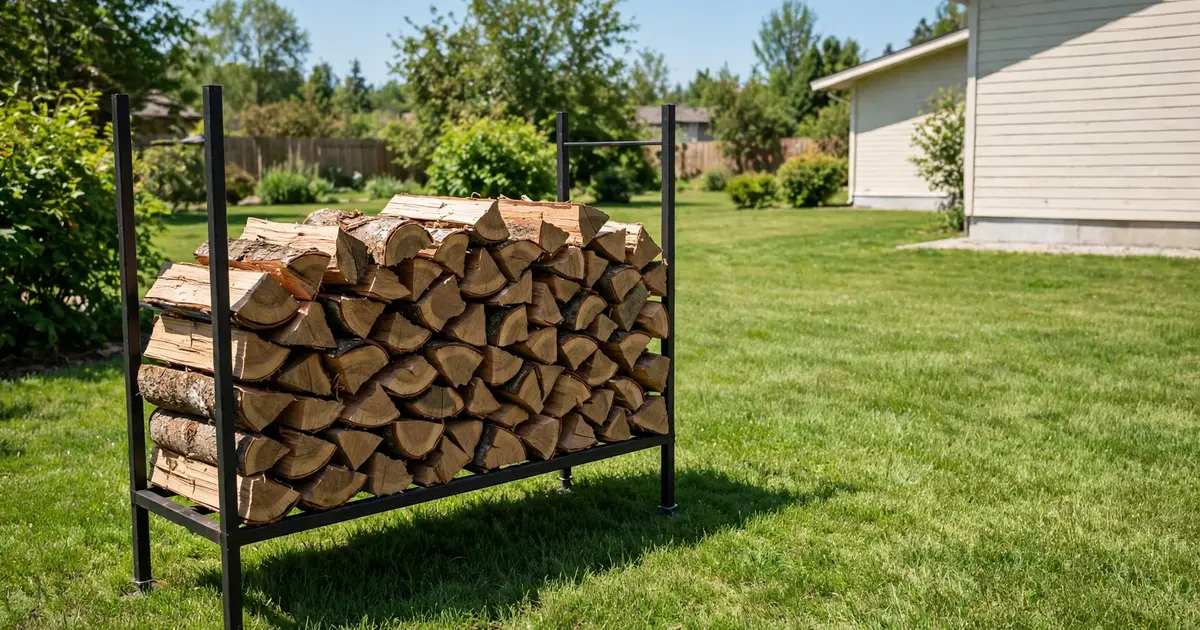
Table of Contents
- Why Yard Features Matter to Subterranean Termites
- Firewood: Food Stored Against the House
- Mulch and the Foundation Line
- Shrubs, Ground Cover, and Plants Touching the House
- Stumps, Buried Wood, and Landscape Timbers
- Irrigation and Moisture Along the Foundation
- Yard Habits That Lower the Risk
- When to Call a Professional
- Frequently Asked Questions
Why Yard Features Matter to Subterranean Termites
A subterranean termite colony lives underground and sends workers out to find food. Those workers prefer to stay in contact with moist soil or inside mud tubes they build to cross exposed surfaces, which is why termite mud tubes on a foundation are such a telling sign. Yard features matter because they can shorten the distance between a colony and your framing, keep the soil at the base of the house damp, and conceal the tubes and activity that would otherwise be easy to spot. Our complete guide to termites in Central Valley homes explains the colony behavior behind this in more detail. The pattern to remember is simple: food plus moisture plus concealment, placed against the house, works in the termites’ favor.
Firewood: Food Stored Against the House
A firewood pile leaned against an exterior wall is one of the most common termite setups inspectors see. The bottom logs rest directly on the soil, stay damp after watering or rain, and give foraging termites a quiet, sheltered feeding site. Once termites are feeding in a pile that touches the house, the wall itself is the next piece of wood in line: they can move from the logs into siding, trim, or framing with no exposed travel at all. Logs from an infested pile can also carry termites straight indoors when they are brought in and stacked by the fireplace.
Better habits are straightforward. Stack firewood on a raised rack, rails, or pallets so no log touches the soil. Place the stack away from the walls of the house and outbuildings rather than under the eaves. Cover the top of the pile so rain runs off, while leaving the sides open to air so the wood dries. Bring inside only the amount you expect to burn soon, and use older wood first so no log sits in the pile season after season. A woodpile kept this way no longer functions as a ramp against your home.
Mulch and the Foundation Line
Mulch is the feature homeowners most often ask about, and the issue is less the mulch itself than what it does at the foundation. Some wood-based mulches can be fed on, but the bigger concerns are moisture and concealment. A deep mulch bed holds dampness in the soil right against the foundation, which is exactly the condition subterranean termites favor. Mulch piled high can also cover the junction where the foundation meets the siding, letting termites travel from the soil into the wall behind a layer nobody can see through. Tubes built under or through a mulch bed are effectively invisible until someone pulls the mulch back.
You do not need to remove mulch from your beds to manage this. Pull mulch back so a band of bare foundation stays exposed between the bed and the siding, and you can see that strip during a quick walk-around. Keep the depth moderate rather than mounded, and never let mulch pile up above the foundation line against wood siding or stucco weep screeds. Raking and turning mulch now and then also gives you regular chances to look at the base of the wall.
Shrubs, Ground Cover, and Plants Touching the House
Dense planting against the house creates a shaded, still, humid zone along the wall. Foliage touching siding traps moisture against the surface, slows drying after irrigation or rain, and hides the foundation from view, so tubes or damaged trim can go unnoticed for a long time. Ground cover spreading right up to the wall does the same thing at ground level, covering the soil where termite activity would otherwise show. Branches and vines in contact with the house also hold moisture directly against wood trim and eaves.
The fix is spacing, not removal. Trim shrubs and hedges back so no foliage touches the siding, and keep a clear strip along the foundation where you can see the base of the wall and the soil line. Avoid letting ground cover grow tight against the house; a defined edge to the planting bed keeps the inspection strip open. When you prune, take the opportunity to look at the exposed foundation for tubes, soft trim, or other early signs of termites.
Stumps, Buried Wood, and Landscape Timbers
Dead wood in the yard is food that sits still for years. A tree stump left after a removal, roots left in the ground, scrap lumber buried during a past project, old form boards, and deteriorating railroad ties or landscape timbers all feed subterranean colonies quietly. A colony established in a stump or timber bed near the house has a secure food supply and a short foraging distance to the structure. Rotted landscape timbers are a particular concern because they often run in long lines along flower beds that touch the foundation, putting decaying wood in a continuous path to the wall.
Where you can, remove the food. Have stumps ground out or dug up rather than left to rot in place, and clear roots and buried scrap wood when you rework a bed. Replace soft, crumbling landscape timbers instead of letting them decay in place, and avoid burying wood debris in garden fill near the house. Old fence posts and fallen branches deserve the same treatment: dead wood resting on soil is a feeding site, and the closer it sits to the house, the more it matters.
Irrigation and Moisture Along the Foundation
Water management ties all of the above together. Sprinkler heads that spray the foundation, drip lines running along the base of the wall, leaking hose bibs, and low spots where water pools after watering all keep the soil at the foundation damp. That damp band is prime foraging ground, and it keeps firewood piles, mulch, and timber edges moist from below. Our article on moisture and termites covers leaks and drainage in depth. In the yard, the habits are simple: aim and adjust sprinklers so they water plants, not the wall; fix dripping outdoor faucets; keep drip emitters a short distance out from the foundation; and grade soil so water drains away from the house instead of collecting against it.
Yard Habits That Lower the Risk
| Yard feature | Why it raises termite risk | Lower-risk habit |
|---|---|---|
| Firewood pile | Food and shelter resting on soil, often touching the wall | Stack on a raised rack away from the house; keep it covered and dry |
| Mulch beds | Hold moisture at the foundation and hide mud tubes | Pull mulch back to leave a visible band of exposed foundation |
| Shrubs and ground cover | Trap moisture against siding and conceal the foundation line | Trim plants back off the house and keep a clear inspection strip |
| Stumps and buried wood | Long-term food source for colonies in the yard | Grind out or remove stumps; dig out buried scrap wood |
| Landscape timbers and railroad ties | Decaying wood in continuous runs near flower beds and walls | Replace rotted timbers; keep timber runs from touching the structure |
| Irrigation at the foundation | Keeps soil at the base of the house persistently damp | Aim sprinklers away from walls, fix leaks, and grade soil to drain away |
When to Call a Professional
Call a professional if you find mud tubes on the foundation or in a crawl space, if you pull back mulch or move firewood and find live termites feeding, or if you see winged termites swarming near the house in spring. It is also worth calling when a stump, timber bed, or woodpile next to the house turns out to be infested, because the next question — whether activity has reached the structure — takes an inspection of the home itself to answer. Treatments are applied according to the product label and California regulations. Pentecost Pest Control is a family-owned company in Modesto providing termite inspection, monitoring, and treatment for homes and businesses across San Joaquin and Stanislaus Counties, and we can tell you plainly whether what you found in the yard has become a problem in the house.
Frequently Asked Questions
Does mulch attract termites from far away?
Not in the way people usually mean it. Mulch does not summon termites from down the street; colonies already living in the soil forage outward and find what is available. What mulch at the foundation does is hold moisture and hide activity in exactly the spot where termites would want to reach your house, which is why placement and a visible foundation gap matter more than whether mulch is used at all.
How should firewood be stored to lower termite risk?
Stack it off the ground on a rack, rails, or pallets, and place the stack away from the walls of the house and other structures rather than under the eaves. Keep the top covered so the wood stays dry, rotate the stock so older wood gets burned first, and bring indoors only what you plan to burn soon. The goal is to break the combination of soil contact, moisture, and direct contact with the house.
Should I remove all the mulch around my house?
No. Mulch serves your plants and beds, and the risk comes from how it sits against the foundation, not from its presence in the yard. Pull it back so a strip of foundation stays visible, keep the depth moderate, and do not let it pile up over the foundation line against siding. That keeps the benefit for your landscaping while removing the concealment and moisture trap at the wall.
Can termites in my woodpile get into my house?
They can if the setup lets them. A pile resting on the soil against the wall gives termites food, shelter, and an unbroken path into siding and framing, and infested logs carried inside can bring termites with them. A pile stored on a rack away from the house is a much weaker link: termites feeding there still have to cross open, dry ground to reach the structure, and you are far more likely to notice their activity in the open.
Do railroad ties and landscape timbers cause termite problems?
They feed termites rather than causing them, but that distinction matters less than the result: a colony sustained by a rotting timber bed has food, moisture, and shelter in your yard for years. The risk is highest when timbers are soft and decaying and when they run right up to the foundation or touch the structure. Replacing rotted timbers and keeping dead wood from sitting against the house removes that support.
If you have found termites in your woodpile, mulch beds, or timbers, or you would like the foundation line checked while you tidy up the yard, Call (209) 581-5562 or request a free estimate and we will take a look.
By the Pentecost Pest Control Editorial Team
This article is for general educational purposes only. Pest conditions, regulations, and treatment options vary by property and situation. Contact a licensed pest control professional for an inspection.