
When you sell a home in California, a termite inspection is a common part of the process: an inspector examines the structure for termites and other wood-destroying organisms, notes conditions that could invite them, and issues a written report describing findings and recommendations. Inspections often happen after an offer is accepted, though timing varies by transaction. For sellers, the experience is straightforward when you know what to expect: the inspector needs access to the attic, crawl space, garage, and exterior; the report separates active problems from old damage and from conditions worth correcting; and any next steps — treatment, wood repair, a follow-up inspection, or completion paperwork — follow from what the report actually says. Preparing access ahead of time is the single most helpful thing a seller can do.
Key Takeaways
- A termite inspection during a sale produces a written report of findings and recommendations — it is a description of the home’s condition, not a pass-or-fail grade.
- Inspectors check the exterior, interior, attic, crawl space, and garage for termites, other wood-destroying organisms, and conditions like moisture and wood-to-soil contact.
- Reports distinguish active infestation from old damage and from conditions likely to invite future problems, and each type of finding has its own typical next step.
- Common next steps include treatment where activity is found, wood repair by the appropriate contractor, and a re-inspection or completion documentation where applicable.
- Clearing access to the attic, crawl space, water heater, and garage walls before the visit helps the inspection cover more of the home.
- When a Termite Inspection Typically Happens in a California Sale
- What the Inspector Checks
- How Findings Are Reported
- Common Next Steps After the Report
- Preparing Access Before the Inspection
- What Sellers Can Do While Waiting for the Report
- When to Call a Professional
- Frequently Asked Questions
When a Termite Inspection Typically Happens in a California Sale
The timing of a termite inspection when selling a home in California is set by the transaction rather than by a single universal schedule. In many sales, the inspection is ordered during escrow, after an offer is accepted, so the buyer receives a current picture of the home’s condition. In other cases a seller arranges an inspection before listing, so findings are known early and can be addressed or disclosed in an organized way. Lender requirements, the purchase agreement, and local custom all influence when it happens and who orders it.
Because the specifics vary, confirm the plan with your real estate agent: who is ordering the inspection, when it will take place, and how the report will be shared. What does not vary is the inspection itself — a visual examination of accessible areas of the structure, documented in a standardized written report. Our termite inspection guide for California homeowners describes the visit in detail if you want to know exactly how inspectors work through a house.
What the Inspector Checks
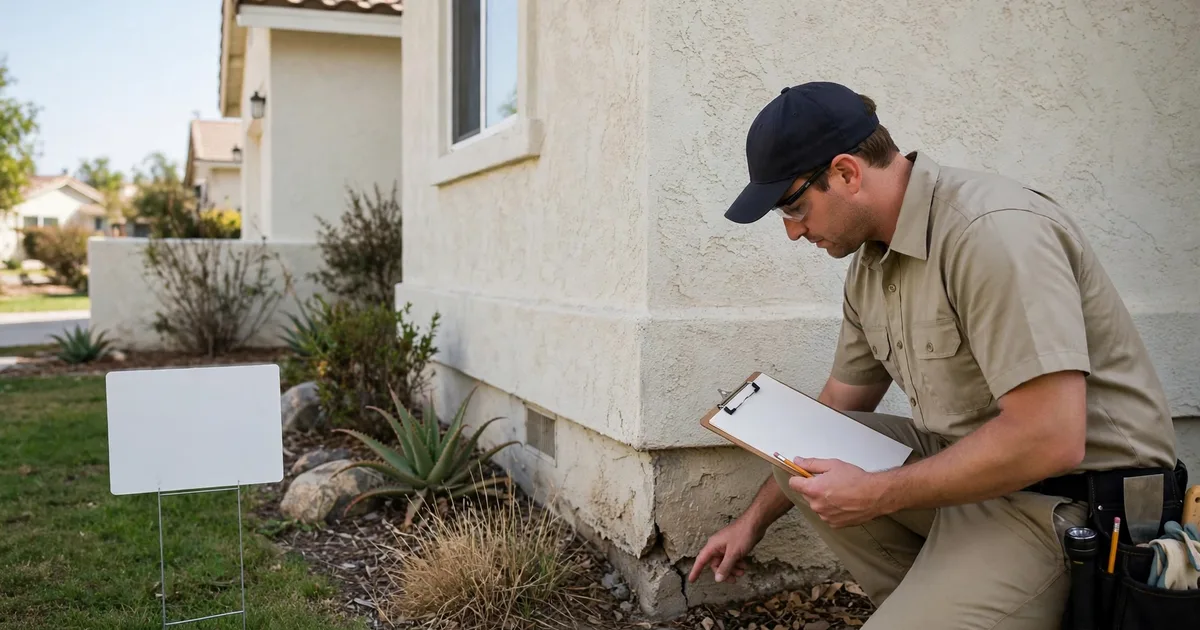
An inspector works through the home looking for termites — in the Central Valley, chiefly subterranean termites that travel from soil into wood, and drywood termites that live inside wood — as well as other wood-destroying organisms such as certain beetles and decay fungi. Just as important, the inspector notes conditions that make infestation or damage more likely. Expect the visit to cover:
- Exterior: foundation lines, siding, eaves, door and window frames, wood in contact with soil, attached structures like patio covers and fences that touch the house, and planters or stored wood against the structure.
- Interior: baseboards, window and door frames, and areas below bathrooms and kitchens where plumbing runs, looking for signs like pellet droppings, blistered paint, or soft wood.
- Attic: framing, and the areas around roof penetrations, where drywood evidence and old damage are often visible.
- Crawl space and subarea: sill plates, joists, piers, and plumbing penetrations — the classic route for subterranean termites — plus evidence of leaks or standing moisture.
- Garage: framing and the wall lines where the garage meets the house, an area sellers often overlook because stored items block the view.
The signs inspectors read are covered in our complete guide to termites in Central Valley homes: mud tubes on foundations, frass piles under wood, hollow-sounding members, and damage patterns in framing. The inspection covers accessible areas; concealed spaces that cannot be reached are noted as such.
How Findings Are Reported
After the visit, the inspector issues a written report. In California these reports follow a standard format and generally organize findings into items describing evidence of active infestation or damage, items describing conditions that are likely to lead to infestation or damage if not corrected, and, where relevant, recommendations for further inspection of areas that could not be fully evaluated. Each finding is usually tied to a location on a diagram of the structure, with a recommendation attached.
Reading the report as a seller, three distinctions matter most. First, a finding about a condition — a plumbing leak, faulty grade, wood-to-soil contact — is not a finding of termites; it is a note that the condition invites them. Second, damage noted in a report may be old, from activity long since resolved; reports describe what is visible, and old damage looks much like its history rather than like a current event. Third, areas listed as inaccessible were not inspected — the report notes them rather than clearing them. If any wording is unclear, ask the inspection company to explain its own report in plain language.
Common Next Steps After the Report
What happens after the report depends on what it contains and on what the parties to the sale agree. Common steps include:
| Report outcome | Typical next step |
|---|---|
| Active termite activity found | Treatment addressing the type and location of activity, scheduled before or after closing as agreed |
| Damaged wood found | Repair or replacement of the affected members by the appropriate contractor for that work |
| Conditions inviting infestation | Correction of the condition — a leak repaired, wood-to-soil contact removed, drainage or ventilation improved |
| Areas not accessible at inspection | Access arranged and a further inspection of those areas, where the parties want them covered |
| Work completed | Completion documentation, and in some cases a re-inspection confirming the agreed work was done |
Where treatment is recommended, the approach follows the type of termite and where the activity is. Treatments are applied according to the product label and California regulations. Wood repair is construction work and is commonly handled by the contractor appropriate to the repair — the pest control side and the carpentry side are related but separate scopes. If cost questions come up, they follow the findings: our overview of termite treatment cost factors explains the variables involved, such as the extent of activity, the areas affected, and the size and construction of the home. Decisions about who pays for and schedules each item are transaction decisions — work those out with your agent or escrow holder, and get agreements in writing.
Preparing Access Before the Inspection
An inspection only covers what the inspector can reach. Sellers can meaningfully improve the report’s completeness with an hour of preparation:
- Open up the attic access. Move stored items away from the attic hatch or pull-down, and make sure the opening is not painted shut or blocked by shelving.
- Clear the crawl space entry. The subarea access — often in a closet floor, a hallway, or an exterior vent panel — should be reachable and openable.
- Pull items away from garage walls. Boxes and storage stacked against the walls where the garage meets the house hide exactly the framing inspectors need to see.
- Clear under sinks and around the water heater. Inspectors look at plumbing areas for leaks and moisture conditions; packed cabinets slow that down.
- Trim back plants touching the house where practical, and move firewood or stored lumber away from exterior walls so the foundation line is visible.
- Secure pets and unlock gates so the inspector can complete the exterior and interior in one visit.
Any area that remains inaccessible will be listed in the report as not inspected, which often leads to a request for a further inspection later. Clearing access at the start avoids that second round.
What Sellers Can Do While Waiting for the Report
The report typically follows the visit within a period set by the inspection company. While you wait, resist two temptations. The first is cosmetic cover-up — painting over a suspicious baseboard or patching visible damage. Fresh paint over evidence complicates the inspector’s and the buyer’s picture and creates problems out of proportion to the original finding. The second is starting treatment or repairs on your own initiative before the report and the parties’ agreement define what is actually needed; well-meant work done out of sequence may not match what gets negotiated.
What does help: gathering any records you have from prior inspections, treatments, or wood repairs during your ownership. Past documentation shows that earlier findings were addressed, and it helps everyone distinguish old, handled damage from anything new. Then, when the report arrives, read it fully, ask questions about anything unclear, and coordinate next steps through your agent.
When to Call a Professional
Call a pest control professional when you want to schedule an inspection ahead of listing, when you need a treatment estimate tied to a report’s findings, or when you want help understanding what a finding means and what it does not. Call also if the report lists areas that were inaccessible and you have since cleared access for a further look. Pentecost Pest Control is a family-owned company at 3501 Coffee Rd in Modesto, providing termite inspection, monitoring, and treatment for homes in Stanislaus and San Joaquin Counties; our termite control service page explains how those services are structured. Questions about your sale contract, disclosures, or timelines belong with your real estate agent or escrow holder — this article is general education, and those specifics depend on your transaction.
Frequently Asked Questions
Do I have to have a termite inspection to sell my home?
Requirements and customs vary by transaction, lender, and purchase agreement, so there is no single answer that fits every sale. Many California transactions include a wood-destroying pest inspection as part of escrow. Ask your real estate agent what applies in your sale, and when in the timeline the inspection should be scheduled.
What if the report finds termites? Is the sale in trouble?
Usually not. Reports commonly note something in Central Valley homes, and a finding is the start of a defined process: understand whether activity is active or old, get estimates for any recommended treatment and repairs, and let the parties agree on how the work is handled. Specific, documented findings are far easier to work through than unknown ones.
Should I treat or repair everything before listing instead?
Some sellers do arrange an inspection before listing so findings can be addressed early. Whether to complete work ahead of time or present the report and let the parties negotiate is a strategy question for you and your agent. Either way, keep documentation of any work performed — completion records become part of the home’s history for the buyer.
The report lists my attic as inaccessible. What happens next?
It means that area was not inspected, and the report says so. Typically the next step is to clear access and arrange a further inspection of that area if the parties want it covered. Moving storage away from the attic hatch ahead of the first visit is the easiest way to avoid the issue.
Can I fix report items myself?
Corrections to conditions — moving firewood, clearing soil away from wood, improving access — are ordinary homeowner tasks. Treatment for active termites and structural wood repair are professional work: treatment belongs with a pest control company, and repair of framing or other members with the appropriate contractor.
How much will it cost to deal with the findings?
It depends on the findings themselves: the type of termite, the extent and location of any activity, how much wood needs repair, and how accessible the areas are. An estimate based on your home’s actual report is the meaningful figure. Ask for estimates that itemize which report findings each part of the work addresses.
Selling a home in the Modesto area and want the termite side handled in an organized way? Call (209) 581-5562 or request a free estimate — we will explain what an inspection covers and what to expect at each step.
By the Pentecost Pest Control Editorial Team
This article is for general educational purposes only. Pest conditions, regulations, and treatment options vary by property and situation. Contact a licensed pest control professional for an inspection.