
There is no single flat figure for a termite inspection, because the fee follows the job. Termite inspection cost factors include the size and construction of the home, whether it has a crawl space and attic that an inspector can enter, whether the inspection covers the whole structure or one limited area, whether a formal written report for a real estate transaction is part of the service, and whether detached garages or other structures are included. Two homes on the same street can involve noticeably different amounts of work, and the fee reflects that difference.
Understanding the factors helps you compare quotes in a useful way: not just by the number, but by what the number covers. This article walks through each factor, explains what an inspection fee generally pays for, and separates inspection fees from treatment costs, which are a different scope of work entirely.
Key Takeaways
- A termite inspection fee is shaped by the size and construction of the home, including how much structure there is to examine.
- Access matters: a crawl space and attic that can be entered take time to inspect and add to the completeness of the job.
- A complete inspection of a whole structure is a larger scope than a limited inspection of one area, and the fees reflect that.
- A formal written report for a sale or purchase adds documentation work beyond the inspection visit itself.
- Inspection fees and treatment costs are separate; the inspection establishes findings, and treatment is scoped afterward.
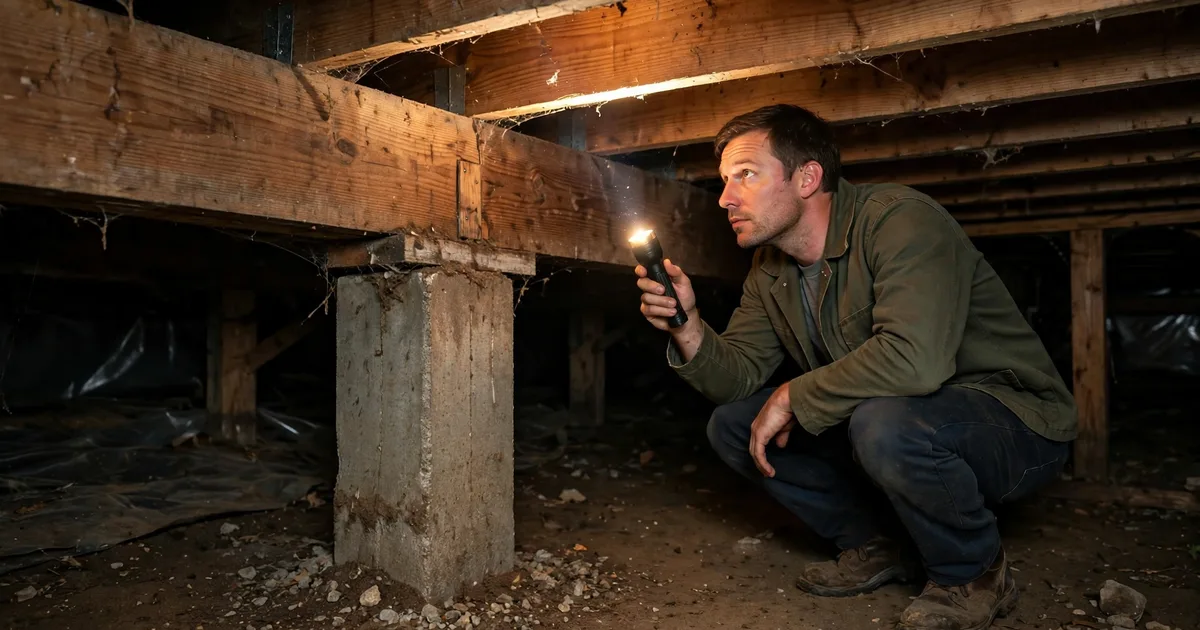
Table of Contents
- The Main Factors at a Glance
- What an Inspection Fee Generally Covers
- Home Size and Construction
- Access to the Attic and Crawl Space
- Complete and Limited Inspections
- Written Reports for Real Estate Transactions
- Additional Structures on the Property
- Inspection Fees and Treatment Costs Are Different
- When to Call a Professional
- Frequently Asked Questions
The Main Factors at a Glance
| Factor | Why It Influences the Fee |
|---|---|
| Size of the home | More structure, more rooms, and more foundation line take longer to examine |
| Construction type | Foundation style, number of stories, and roof design change how the inspection is done |
| Attic and crawl space access | Enterable spaces add inspection time and make the findings more complete |
| Scope of the inspection | A complete inspection covers the whole structure; a limited one covers a named area only |
| Written report | A formal report for a transaction involves documentation beyond the visit |
| Additional structures | Detached garages, workshops, and other buildings add area to inspect |
What an Inspection Fee Generally Covers
An inspection fee generally covers the visit itself: a trained inspector examining the accessible areas of the structure for termites and other wood-destroying pests, checking the places evidence typically appears, and evaluating conditions such as moisture and wood-to-soil contact that invite infestations. It also covers the documented findings that come out of the visit, the inspector’s explanation of what was found, and recommendations for next steps. Where a formal written report is part of the service, the fee covers preparing that document as well. Our step-by-step article on what a termite inspection includes describes the visit in detail, so you can see the work an inspection fee pays for.
What the fee does not cover is equally important. An inspection does not include treatment, wood repair, or correction of the conditions an inspector notes, such as a plumbing leak. Those are separate scopes of work that follow from the findings, and they are priced separately once the findings are known.
Home Size and Construction
The most straightforward factor is how much home there is to inspect. A larger house has more rooms, more plumbing walls, more foundation line, and more trim and framing for an inspector to examine, and a careful inspection takes longer because of it. Square footage is a useful shorthand, but the layout matters too: a spread-out single-story home presents a long foundation perimeter, while a two-story home adds a second floor of walls, bathrooms, and window framing to check.
Construction type shapes the work as well. A home on a raised foundation has a crawl space beneath it that is part of the inspection. A slab home has no crawl space, but it has its own areas of focus, including plumbing penetrations and the places where the slab meets the framing. Roof design affects the attic side of the job: a large, open attic is quicker to move through than a low, divided one with limited headroom. None of these differences make an inspection better or worse; they change the time and effort a thorough job requires, and the fee follows.
Access to the Attic and Crawl Space
Access is the factor homeowners influence most. An inspector can only examine areas that can be reached, and both the attic and the crawl space are areas where termite evidence is commonly found: the crawl space exposes the sill plates, joists, and piers where subterranean termites enter, and the attic exposes framing where drywood termites leave their droppings. When those spaces are enterable, inspecting them adds time to the visit, and it also makes the findings more complete.
When access is blocked, the inspection covers less ground. Attic hatches covered by stored belongings, crawl space entries that are sealed or too tight to enter, and garage walls lined with storage all limit what an inspector can see, and the report notes those areas as inaccessible rather than treating them as clear. Clearing access before the visit, and telling the company about the home’s attic and crawl space when you schedule, helps the inspection cover more of the structure and helps the fee reflect the actual job rather than a guess.
Complete and Limited Inspections
Scope is the other major factor. A complete inspection examines the entire structure, as far as access allows, and produces findings for the whole home. It is the usual choice for a real estate transaction, for a homeowner who has found signs and wants the full picture, and for a first inspection of a property with no recent history.
A limited inspection covers only a specific area or a specific concern: one wall where droppings appeared, the crawl space only, a single room where a tube was found. Because it examines less, a limited inspection is a smaller job. The tradeoff is that its findings speak only to the area named. A limited report does not clear the rest of the structure, and reading it as if it does is a common source of confusion. Which scope fits depends on the question you need answered; a company can help you decide when you describe what prompted the call.
Written Reports for Real Estate Transactions
Many inspections are ordered because a home is being bought or sold, and in those cases the deliverable is not just the visit but a formal written report in the standardized California format. Preparing that report takes work beyond the inspection itself: findings are organized by section, tied to locations on a diagram of the structure, and written so that buyers, sellers, agents, and lenders can all read the same document. Our guide to reading a wood-destroying pest inspection report in California explains how those reports are put together.
Transaction work can also involve follow-up steps that a homeowner inspection may not: a further inspection of an area that was inaccessible the first time, or a re-inspection after recommended work is completed, with its own documentation. Whether a formal report is included, and which follow-up documents a transaction needs, are part of what shapes the overall fee, so it is worth confirming what a quote includes before you compare it with another.
Additional Structures on the Property
A quote usually starts with the main house, but many Central Valley properties have more than that on them. A detached garage, a workshop, a guest house, a barn or storage building, and attached patio covers or additions all contain wood that termites can feed on, and inspecting them adds area and time to the job. If a structure is included in the inspection, it belongs in the scope from the start; if it is left out, the findings do not cover it.
This factor is easy to overlook when scheduling. Mentioning every structure on the property when you call, including the ones you are unsure about, lets the company scope the inspection completely the first time and avoids a second visit to cover a building that was missed.
Inspection Fees and Treatment Costs Are Different
An inspection fee pays for evaluation: the visit, the findings, and the recommendations. If the inspection finds active termites and treatment follows, that treatment is a separate scope of work with its own factors, and it is proposed after the findings are known rather than bundled into the inspection fee. Treatments are applied according to the product label and California regulations. Because the two are priced on different things, a low inspection fee says nothing about treatment costs, and a treatment quote cannot be given responsibly before an inspection establishes what is actually present. Our companion article on termite treatment cost factors walks through the variables that shape a treatment job, including the type of termite, the extent of activity, and the accessibility of the affected wood.
When to Call a Professional
Call to schedule an inspection when you have found signs, such as mud tubes, pellet droppings, discarded wings, or wood that sounds hollow, when you are buying or selling a home and need documented findings, or when you simply want to know where your home stands. When you call, a few details help you get an accurate fee: the size of the home, its foundation type, whether the attic and crawl space are accessible, and any additional structures you want included. Pentecost Pest Control is a family-owned company at 3501 Coffee Rd in Modesto, providing termite inspection, monitoring, and treatment across San Joaquin and Stanislaus Counties; our termite control service page describes those services.
Frequently Asked Questions
Why is the fee not one standard amount for every home?
Because the work is not the same for every home. A small slab home with no crawl space and a large raised-foundation home with an attic, a crawl space, and a detached garage involve different amounts of inspection time and documentation. The fee is set once the company knows the size of the structure, the scope you need, and what the service includes.
Is a limited inspection a good way to spend less?
A limited inspection is a smaller scope, so it is a smaller job, but it answers a narrower question. It fits when you have one specific concern in one area. If your real question is about the whole home, a limited inspection will not answer it, and its report will not say anything about the areas it did not cover.
Does the inspection fee include the written report?
It depends on the service you arrange. Homeowner inspections and transaction inspections are packaged differently, and a formal written report in the standardized format is documentation work beyond the visit itself. When you schedule, ask whether a written report is included in the fee and what form your findings will take, so you know what you are receiving.
Does the inspection fee cover treatment if termites are found?
No. The inspection fee covers the evaluation and the findings. Treatment, repair of damaged wood, and correction of conditions such as leaks are separate work, proposed and priced after the inspection establishes what is present. That separation is what keeps the inspection itself an honest evaluation rather than a sales step.
What can I do to get an accurate fee when I call?
Describe the home as completely as you can: its approximate size, the number of stories, the foundation type, whether the attic and crawl space can be entered, and any garages or outbuildings you want inspected. Mention if the inspection is for a real estate transaction and whether you need a formal written report. The more complete the picture, the more the fee can reflect the actual job.
If nothing is found, was the inspection worth paying for?
Yes, because the finding is the answer either way. A documented inspection that finds no active infestation establishes the condition of the home on that date, which matters for your own records, for monitoring decisions, and in transactions. You are paying for a professional evaluation of the structure, not for a particular result.
Wondering what an inspection of your home would involve? Call (209) 581-5562 or request a free estimate and tell us about the property, and we will explain the scope that fits.
By the Pentecost Pest Control Editorial Team
This article is for general educational purposes only. Pest conditions, regulations, and treatment options vary by property and situation. Contact a licensed pest control professional for an inspection.